 Chinese Knot Guide
Cord for Chinese Knots: Material, Thickness, and Practice Checks
Cord for Chinese Knots: Material, Thickness, and Practice Checks with practical checks, facts, boundaries, FAQ, and related internal guides.
Quick Answer: Cord for Chinese knots should match the knot size, project use, stiffness, surface finish, and tightening method. Beginners usually learn faster with smooth cord that holds shape without collapsing or fraying.
Cord selection facts
- Material
- Nylon, polyester, satin, and other cords behave differently.
- Thickness
- Diameter should match knot scale and use.
- Stiffness
- Too soft collapses; too stiff resists tightening.
- Finish
- Ends may need trimming, sealing, or hiding.
- Limit
- Symbolism does not replace material testing.
Match cord thickness to the finished knot
Cord choice begins with the size of the knot you want to make. A small button knot, a wall hanging, and a pendant cord do not need the same diameter.
If the cord is too thin, the shape may look weak. If it is too thick, the path can be hard to tighten evenly.
Test a short sample before cutting final lengths. The sample shows scale more clearly than a product description.
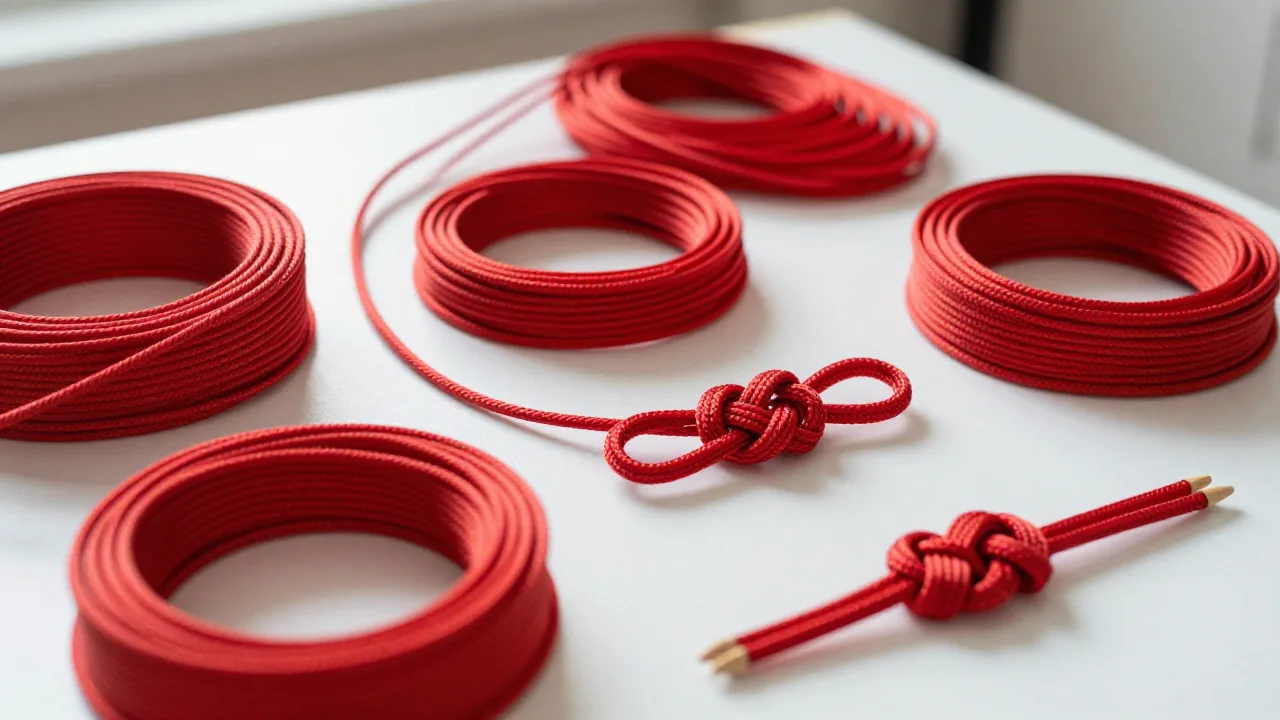
Check surface finish and friction
Smooth satin-like cord moves easily, while textured cord can hold turns but may snag. Neither is automatically best.
For beginners, a cord that slides during layout but holds after tightening is often easier to control.
Run the cord through a loose practice knot. If it twists, fuzzes, or grips too early, choose a different material for that project.
Use stiffness to control the open path
Chinese knots often make more sense when the open path is visible. Cord stiffness affects how well the loops stay readable before tightening.
Very soft cord can collapse before the beginner understands the path. Very stiff cord can resist the small adjustments needed at the end.
The best practice cord keeps the path visible while still allowing slack to move through the knot.
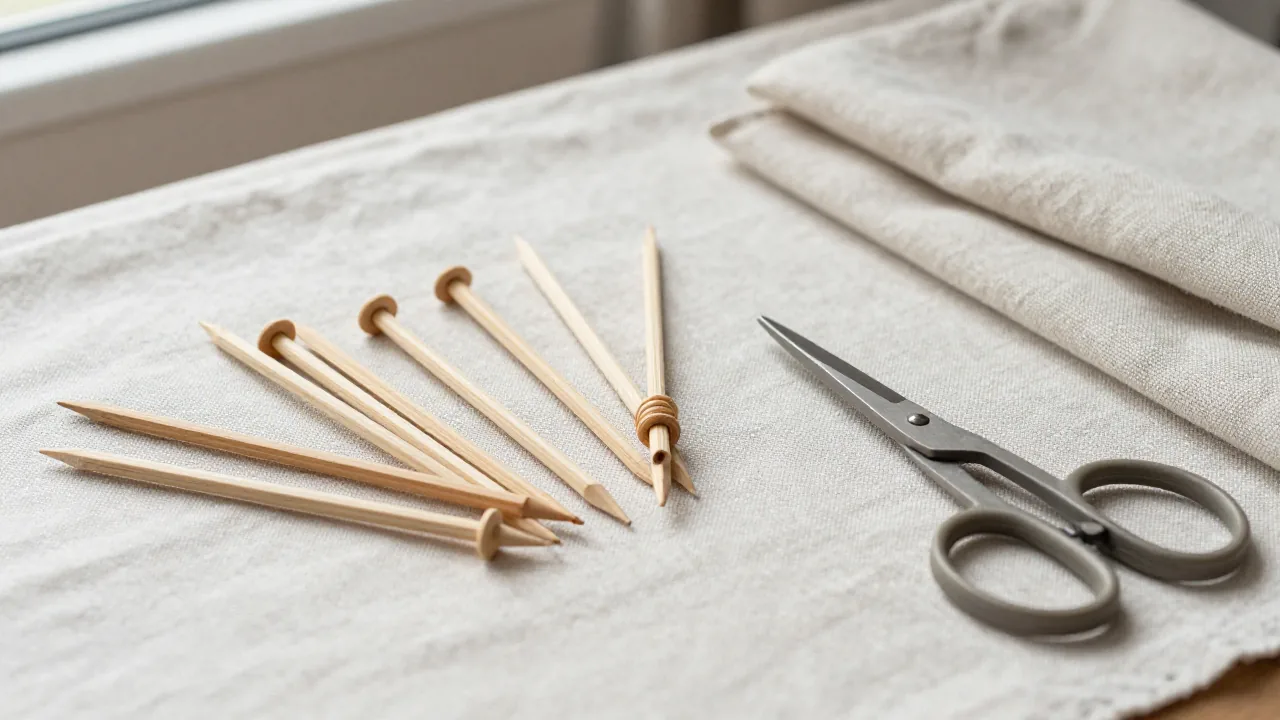
Plan the end finish before cutting
Cord ends are not an afterthought. A project may need trimmed ends, hidden ends, tassels, beads, glue, or careful heat sealing depending on material.
Heat treatment requires caution and ventilation, and it is not suitable for every fiber. Check the material before using flame or heat.
A clean finish starts with enough length. Cut extra for practice and final adjustment.
Keep symbolism separate from material choice
Chinese knots may carry cultural meanings, but the cord still has to work physically. Color and symbolism cannot fix poor scale, weak finish, or uneven tightening.
Choose material for the job first, then add symbolic color or decorative choices where appropriate.
That separation helps the finished knot look intentional instead of only meaningful in the description.
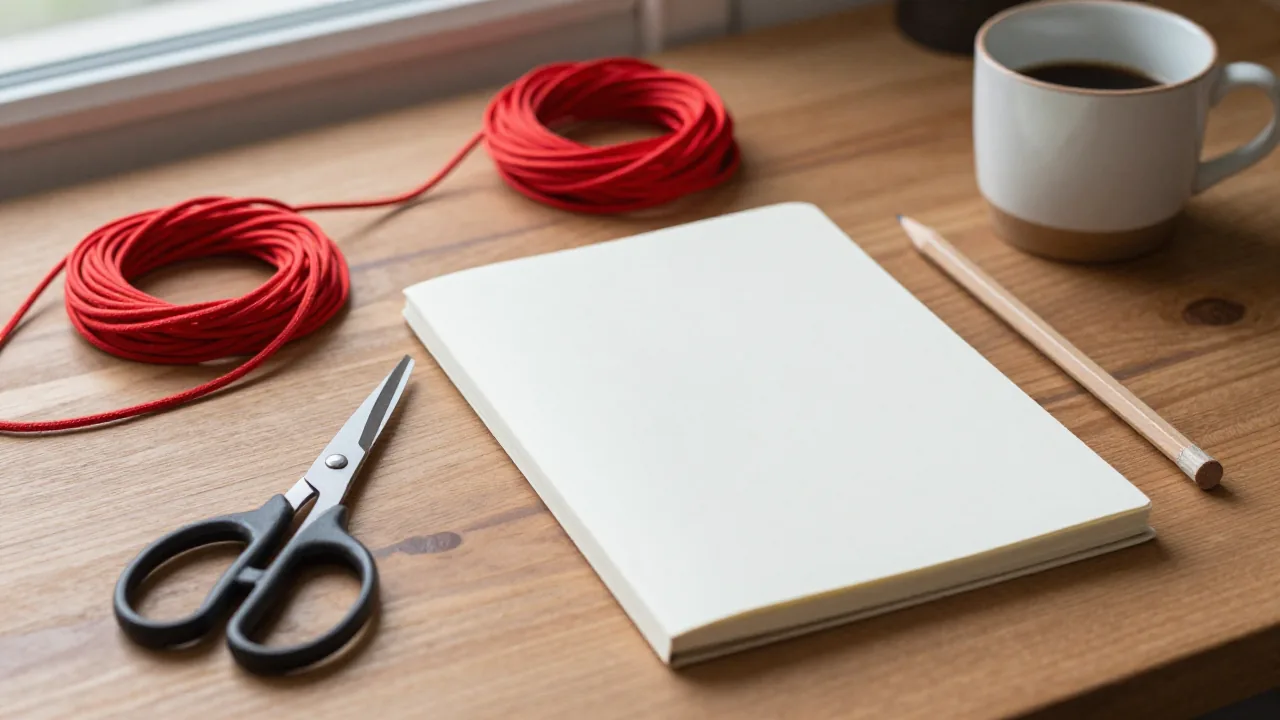
Cord for Chinese Knots checklist
- Choose the finished knot size.
- Test surface friction.
- Check stiffness in an open path.
- Plan trimming or sealing.
- Separate symbolism from material performance.
Cord for Chinese Knots questions
What cord is best for Chinese knots?
It depends on knot size and use, but smooth firm cord is often easier for beginners.
What thickness should I buy?
Match the diameter to the project scale and test a short sample first.
Can I use any craft cord?
Not always. Some cords collapse, fray, or resist tightening.
Is heat sealing always safe?
No. It depends on material and requires caution.
Does color matter more than material?
No. Color can carry symbolism, but material controls the knot's shape and finish.