 Chinese Knot Guide
Chinese Knotting Cord Checklist: Material, Thickness, and Use
A practical guide to chinese knotting cord guide, with context checks, source boundaries, internal next steps, and clear limits.
Quick Answer: Chinese Knotting Cord Checklist should be read through the visible context, the reader's task, and a reliable source. The phrase can guide a decision, but it should not be stretched into proof about identity, luck, health, fate, or guaranteed outcomes.
- Source boundary
- Clarify what the reader needs from chinese knotting cord guide before using a source.
- Scenario setting
- Use objects, setting, wording, and source before interpretation.
- Method step
- Choose the relevant guide, lookup, or care step instead of a broad claim.
- Material use case
- Match the practical setting before making a decision.
- Risk note
- The article gives context and decisions, not guarantees.
Choose the chinese knotting cord guide material before color
Choose the chinese knotting cord guide material before color is the right place to slow down because chinese knotting cord guide can mean different things in different situations. In this section, the reader starts with the visible clue for step 1: the object, record, material, scene, or question that is actually in front of them. That makes the answer narrower and more useful than a broad definition copied from another subject.
For choose the chinese knotting cord guide material before color, the decision is specific rather than decorative. A reader may be comparing materials, reading a cultural note, checking a care routine, or saving a research record. The evidence needed here is the evidence that helps this one next step, so chinese knotting cord guide does not become a vague label that sounds informative but leaves the reader stuck.
The limit for this part of chinese knotting cord guide should be recorded in plain language. The page can explain common use, cultural background, or practical handling for choose the chinese knotting cord guide material before color, but it should not promise luck, identity, family history, health, fate, or guaranteed results. That boundary keeps this section useful for search and respectful for real users.
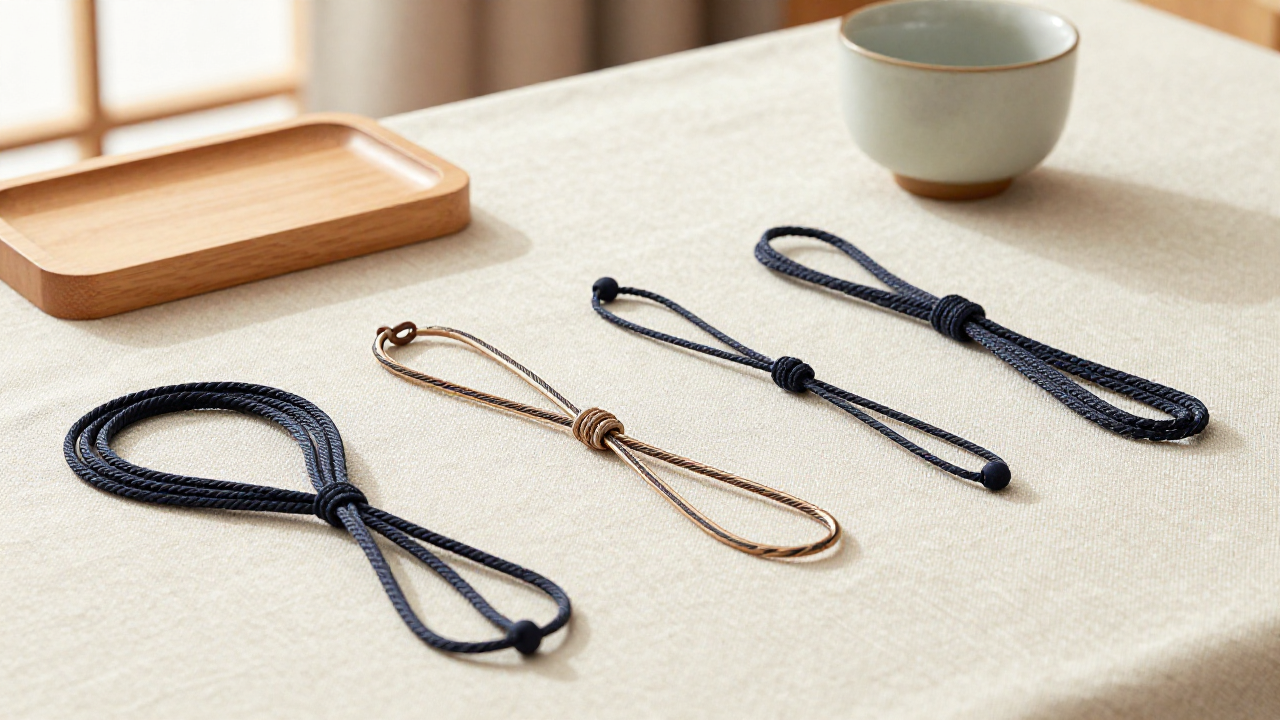
Compare thickness, stiffness, and surface feel
Compare thickness, stiffness, and surface feel is the right place to slow down because chinese knotting cord guide can mean different things in different situations. In this section, the reader starts with the visible clue for step 2: the object, record, material, scene, or question that is actually in front of them. That makes the answer narrower and more useful than a broad definition copied from another subject.
For compare thickness, stiffness, and surface feel, the decision is specific rather than decorative. A reader may be comparing materials, reading a cultural note, checking a care routine, or saving a research record. The evidence needed here is the evidence that helps this one next step, so chinese knotting cord guide does not become a vague label that sounds informative but leaves the reader stuck.
The limit for this part of chinese knotting cord guide should be recorded in plain language. The page can explain common use, cultural background, or practical handling for compare thickness, stiffness, and surface feel, but it should not promise luck, identity, family history, health, fate, or guaranteed results. That boundary keeps this section useful for search and respectful for real users.
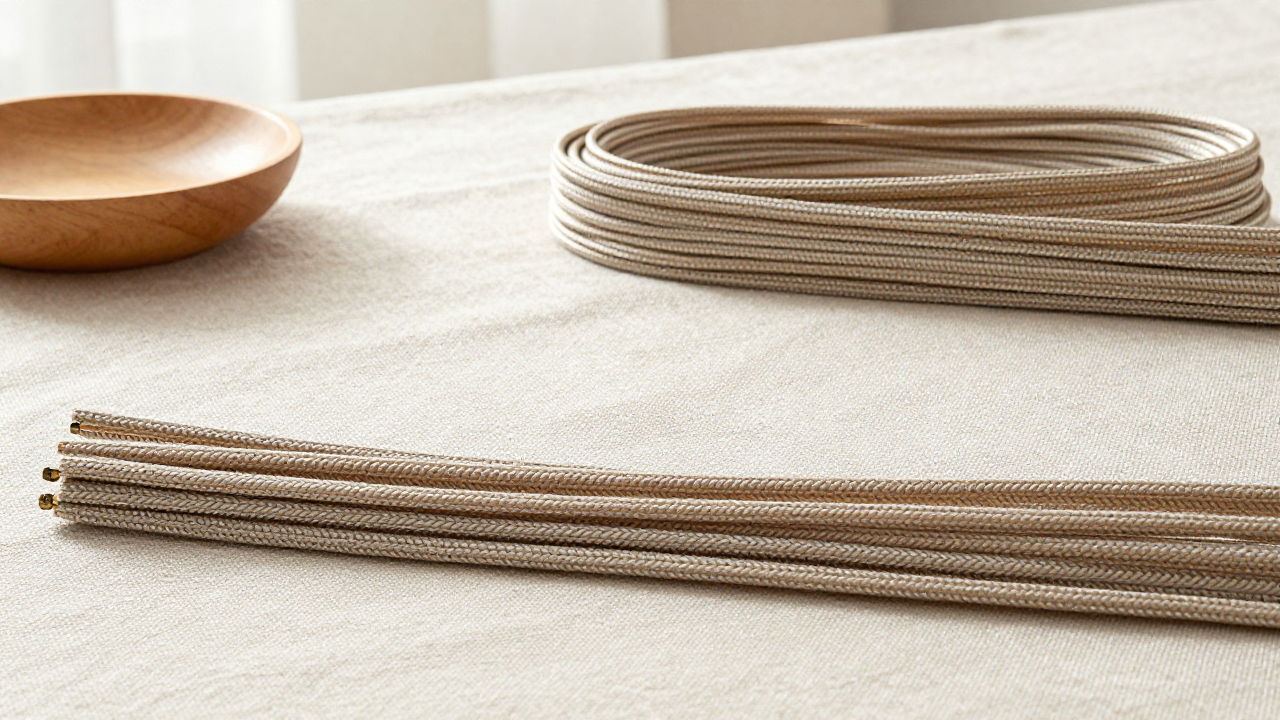
Check knot size against the final use case
Check knot size against the final use case is the right place to slow down because chinese knotting cord guide can mean different things in different situations. In this section, the reader starts with the visible clue for step 3: the object, record, material, scene, or question that is actually in front of them. That makes the answer narrower and more useful than a broad definition copied from another subject.
For check knot size against the final use case, the decision is specific rather than decorative. A reader may be comparing materials, reading a cultural note, checking a care routine, or saving a research record. The evidence needed here is the evidence that helps this one next step, so chinese knotting cord guide does not become a vague label that sounds informative but leaves the reader stuck.
The limit for this part of chinese knotting cord guide should be recorded in plain language. The page can explain common use, cultural background, or practical handling for check knot size against the final use case, but it should not promise luck, identity, family history, health, fate, or guaranteed results. That boundary keeps this section useful for search and respectful for real users.

Avoid cord choices that hide the knot structure
Avoid cord choices that hide the knot structure is the right place to slow down because chinese knotting cord guide can mean different things in different situations. In this section, the reader starts with the visible clue for step 4: the object, record, material, scene, or question that is actually in front of them. That makes the answer narrower and more useful than a broad definition copied from another subject.
For avoid cord choices that hide the knot structure, the decision is specific rather than decorative. A reader may be comparing materials, reading a cultural note, checking a care routine, or saving a research record. The evidence needed here is the evidence that helps this one next step, so chinese knotting cord guide does not become a vague label that sounds informative but leaves the reader stuck.
The limit for this part of chinese knotting cord guide should be recorded in plain language. The page can explain common use, cultural background, or practical handling for avoid cord choices that hide the knot structure, but it should not promise luck, identity, family history, health, fate, or guaranteed results. That boundary keeps this section useful for search and respectful for real users.
Save a short buying checklist before ordering
Save a short buying checklist before ordering is the right place to slow down because chinese knotting cord guide can mean different things in different situations. In this section, the reader starts with the visible clue for step 5: the object, record, material, scene, or question that is actually in front of them. That makes the answer narrower and more useful than a broad definition copied from another subject.
For save a short buying checklist before ordering, the decision is specific rather than decorative. A reader may be comparing materials, reading a cultural note, checking a care routine, or saving a research record. The evidence needed here is the evidence that helps this one next step, so chinese knotting cord guide does not become a vague label that sounds informative but leaves the reader stuck.
The limit for this part of chinese knotting cord guide should be recorded in plain language. The page can explain common use, cultural background, or practical handling for save a short buying checklist before ordering, but it should not promise luck, identity, family history, health, fate, or guaranteed results. That boundary keeps this section useful for search and respectful for real users.
Cord choice checks before you decide
- Name the real task behind chinese knotting cord guide.
- Look at the visible object, record, material, or setting.
- Use the nearest site guide instead of a generic shortcut.
- Save the source when a cultural or historical claim is involved.
- Keep practical advice separate from predictions or guarantees.
Cord choice questions
What is the first thing to check for chinese knotting cord guide?
Start with the reader task and the visible context, then choose the relevant guide or source.
Can chinese knotting cord guide prove a personal outcome?
No. It can support context or a practical decision, but it cannot guarantee personal results.
Why do sources describe chinese knotting cord guide differently?
Sources may use different conventions, regions, materials, or interpretations, so record the source and setting.
How should I save a chinese knotting cord guide note?
Save the specific context, source, date, and limit instead of only copying a broad label.