 Chinese Knot Guide
Chinese Knot Closure for Wedding Garments: Fit and Sewing Plan
Chinese knot closure guidance for wedding garments, including button-loop fit, alignment, sewing, wear, and safe use.
Quick Answer: A Chinese knot closure usually works as a paired system: a cord knot or button on one side and a receiving loop on the other. Identify the construction, test alignment without force, and inspect every sewn or knotted attachment before use. Explain how a decorative Chinese knot closure combines a knot button and receiving loop, and how to assess alignment, load, attachment, and garment context. This guide keeps source facts, worked observations, and cultural interpretation in separate layers so that the answer can be checked without turning symbolism into certainty.
Chinese Knot Closure facts
- Closure parts
- Knot button, receiving loop, and garment attachment
- Primary function
- Light garment or decorative fastening, depending on construction
- Fit check
- Button passes through the loop without forcing or slipping
- Condition check
- Cord wear, loose stitching, distortion, and edge damage
- Safety limit
- Do not assume load-bearing strength or child safety
Identify the button and loop as one closure system
## Quick Answer A Chinese knot closure usually works as a paired system: a cord knot or button on one side and a receiving loop on the other. Identify the construction, test alignment without force, and inspect every sewn or knotted attachment before use. Explain how a decorative Chinese knot closure combines a knot button and receiving loop, and how to assess alignment, load, attachment, and garment context. This guide keeps source facts, worked observations, and cultural interpretation in separate layers so that the answer can be checked without turning symbolism into certainty.
Begin with the recordable detail rather than a broad label. A knot by itself is not yet a functioning closure; the receiving loop and attachment points complete the system. For chinese knot closure, record closure parts as “Knot button, receiving loop, and garment attachment” and keep it beside the source or observation that supports it. That wording matters because a search phrase can join several questions that need different evidence. State the method before drawing a conclusion, preserve any missing information, and avoid filling gaps with a personality claim, sales promise, diagnosis, or prediction. A useful explanation remains narrow enough that a reader can tell which part is documented and which part is an optional interpretation.
A second pass should test the limits of that description. Explain how a decorative Chinese knot closure combines a knot button and receiving loop, and how to assess alignment, load, attachment, and garment context. In practice, compare the stated input with fit check: Button passes through the loop without forcing or slipping. If the page, package, record, or translation does not supply that detail, mark it unknown rather than converting an attractive image or familiar phrase into proof. Save the date and exact source used, because labels and web pages can change. The result should support a modest next action, such as checking a record, reading a complete passage, inspecting an object, or asking the maker. It should never substitute for medical, legal, financial, safety, mental-health, or other qualified professional advice.
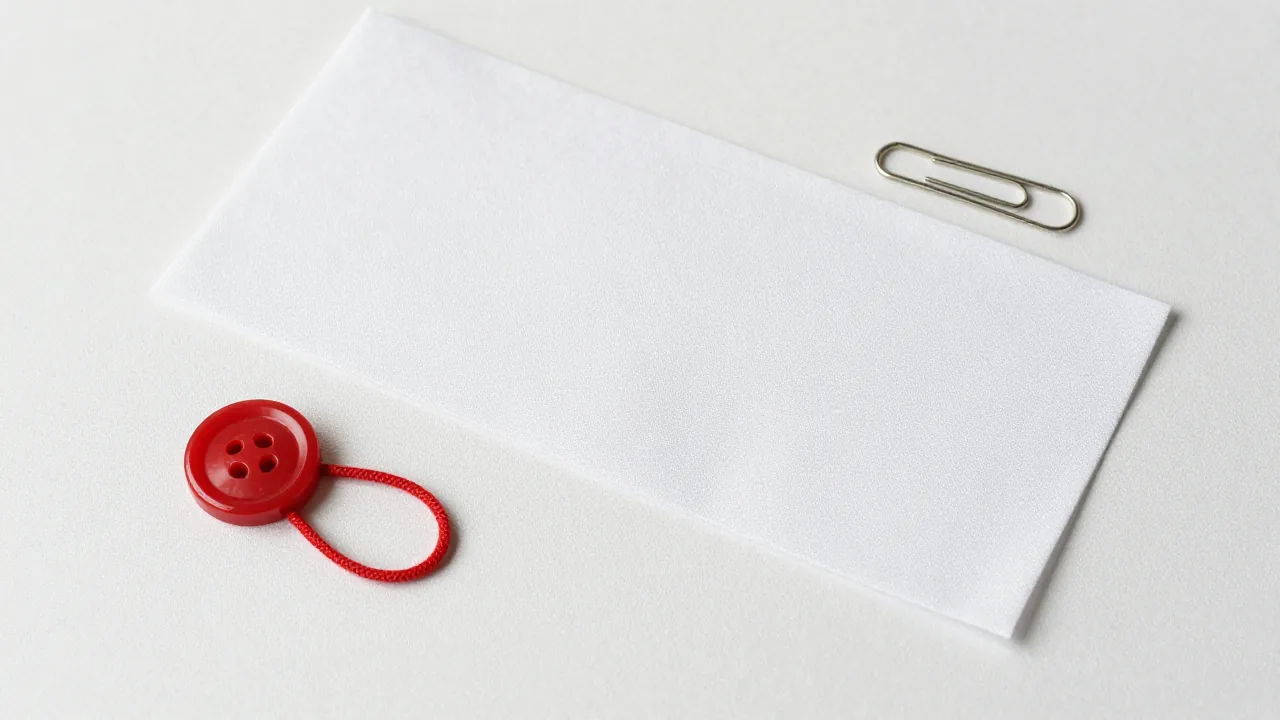
Match loop size to the finished knot
The first useful move is to separate description from interpretation. A loop that is too tight abrades the knot, while an oversized loop can release unintentionally. For chinese knot closure, record primary function as “Light garment or decorative fastening, depending on construction” and keep it beside the source or observation that supports it. That wording matters because a search phrase can join several questions that need different evidence. State the method before drawing a conclusion, preserve any missing information, and avoid filling gaps with a personality claim, sales promise, diagnosis, or prediction. A useful explanation remains narrow enough that a reader can tell which part is documented and which part is an optional interpretation.
The next question is what the evidence does not establish. Explain how a decorative Chinese knot closure combines a knot button and receiving loop, and how to assess alignment, load, attachment, and garment context. In practice, compare the stated input with condition check: Cord wear, loose stitching, distortion, and edge damage. If the page, package, record, or translation does not supply that detail, mark it unknown rather than converting an attractive image or familiar phrase into proof. Save the date and exact source used, because labels and web pages can change. The result should support a modest next action, such as checking a record, reading a complete passage, inspecting an object, or asking the maker. It should never substitute for medical, legal, financial, safety, mental-health, or other qualified professional advice.
Align both sides before permanent attachment
A careful reader can make this section reproducible. Temporary basting lets the maker check height, overlap, and fabric tension before final sewing. For chinese knot closure, record fit check as “Button passes through the loop without forcing or slipping” and keep it beside the source or observation that supports it. That wording matters because a search phrase can join several questions that need different evidence. State the method before drawing a conclusion, preserve any missing information, and avoid filling gaps with a personality claim, sales promise, diagnosis, or prediction. A useful explanation remains narrow enough that a reader can tell which part is documented and which part is an optional interpretation.
For a worked note, keep method and conclusion in separate sentences. Explain how a decorative Chinese knot closure combines a knot button and receiving loop, and how to assess alignment, load, attachment, and garment context. In practice, compare the stated input with safety limit: Do not assume load-bearing strength or child safety. If the page, package, record, or translation does not supply that detail, mark it unknown rather than converting an attractive image or familiar phrase into proof. Save the date and exact source used, because labels and web pages can change. The result should support a modest next action, such as checking a record, reading a complete passage, inspecting an object, or asking the maker. It should never substitute for medical, legal, financial, safety, mental-health, or other qualified professional advice.
Test opening and closing without pulling the garment
This part of the question becomes clearer when inputs are kept visible. The closure should move through its intended path without twisting, crushing, or excessive force. For chinese knot closure, record condition check as “Cord wear, loose stitching, distortion, and edge damage” and keep it beside the source or observation that supports it. That wording matters because a search phrase can join several questions that need different evidence. State the method before drawing a conclusion, preserve any missing information, and avoid filling gaps with a personality claim, sales promise, diagnosis, or prediction. A useful explanation remains narrow enough that a reader can tell which part is documented and which part is an optional interpretation.
When sources disagree, preserve the disagreement instead of averaging it. Explain how a decorative Chinese knot closure combines a knot button and receiving loop, and how to assess alignment, load, attachment, and garment context. In practice, compare the stated input with closure parts: Knot button, receiving loop, and garment attachment. If the page, package, record, or translation does not supply that detail, mark it unknown rather than converting an attractive image or familiar phrase into proof. Save the date and exact source used, because labels and web pages can change. The result should support a modest next action, such as checking a record, reading a complete passage, inspecting an object, or asking the maker. It should never substitute for medical, legal, financial, safety, mental-health, or other qualified professional advice.
Inspect cord, stitching, and edge wear
The practical distinction is easy to miss in a short search result. Frayed cord, loose couching stitches, exposed ends, and stretched fabric change both appearance and reliability. For chinese knot closure, record safety limit as “Do not assume load-bearing strength or child safety” and keep it beside the source or observation that supports it. That wording matters because a search phrase can join several questions that need different evidence. State the method before drawing a conclusion, preserve any missing information, and avoid filling gaps with a personality claim, sales promise, diagnosis, or prediction. A useful explanation remains narrow enough that a reader can tell which part is documented and which part is an optional interpretation.
A reader should also record what would change the answer. Explain how a decorative Chinese knot closure combines a knot button and receiving loop, and how to assess alignment, load, attachment, and garment context. In practice, compare the stated input with primary function: Light garment or decorative fastening, depending on construction. If the page, package, record, or translation does not supply that detail, mark it unknown rather than converting an attractive image or familiar phrase into proof. Save the date and exact source used, because labels and web pages can change. The result should support a modest next action, such as checking a record, reading a complete passage, inspecting an object, or asking the maker. It should never substitute for medical, legal, financial, safety, mental-health, or other qualified professional advice.
Separate decorative tradition from performance claims
A bounded conclusion starts with what can actually be checked. Historical or cultural styling should be attributed to a named garment and context rather than inferred from any frog-style fastener. For chinese knot closure, record closure parts as “Knot button, receiving loop, and garment attachment” and keep it beside the source or observation that supports it. That wording matters because a search phrase can join several questions that need different evidence. State the method before drawing a conclusion, preserve any missing information, and avoid filling gaps with a personality claim, sales promise, diagnosis, or prediction. A useful explanation remains narrow enough that a reader can tell which part is documented and which part is an optional interpretation.
The final check is whether another person could repeat the same steps. Explain how a decorative Chinese knot closure combines a knot button and receiving loop, and how to assess alignment, load, attachment, and garment context. In practice, compare the stated input with fit check: Button passes through the loop without forcing or slipping. If the page, package, record, or translation does not supply that detail, mark it unknown rather than converting an attractive image or familiar phrase into proof. Save the date and exact source used, because labels and web pages can change. The result should support a modest next action, such as checking a record, reading a complete passage, inspecting an object, or asking the maker. It should never substitute for medical, legal, financial, safety, mental-health, or other qualified professional advice.
Further Reading
- Chinese button knot tutorial - Chinese knotting cord guide
- Wikipedia frog fastener overview)
Review chinese knot closure step by step
- **Closure parts:** Knot button, receiving loop, and garment attachment
- **Primary function:** Light garment or decorative fastening, depending on construction
- **Fit check:** Button passes through the loop without forcing or slipping
- **Condition check:** Cord wear, loose stitching, distortion, and edge damage
- **Safety limit:** Do not assume load-bearing strength or child safety
Questions about chinese knot closure
How should I handle closure parts for chinese knot closure?
Knot button, receiving loop, and garment attachment. Treat that field as one bounded part of the review, preserve its source, and do not extend it into an outcome claim.
How should I handle primary function for chinese knot closure?
Light garment or decorative fastening, depending on construction. Treat that field as one bounded part of the review, preserve its source, and do not extend it into an outcome claim.
How should I handle fit check for chinese knot closure?
Button passes through the loop without forcing or slipping. Treat that field as one bounded part of the review, preserve its source, and do not extend it into an outcome claim.
How should I handle condition check for chinese knot closure?
Cord wear, loose stitching, distortion, and edge damage. Treat that field as one bounded part of the review, preserve its source, and do not extend it into an outcome claim.
How should I handle safety limit for chinese knot closure?
Do not assume load-bearing strength or child safety. Treat that field as one bounded part of the review, preserve its source, and do not extend it into an outcome claim.