 Chinese Knot Guide
Chinese Cord Knotting: Cord Choice, Path, and Tightening Steps
Chinese Cord Knotting: Cord Choice, Path, and Tightening Steps with source-aware facts, practical steps, boundaries, FAQ, and related guides.
Quick Answer: Chinese cord knotting works best when the cord type, knot variation, open path, and tightening sequence match. Beginners should practice the visible path first, then tighten slowly and keep symbolism separate from guaranteed outcomes.
Cord technique facts
- Materials
- Smooth, firm cord holds shape better for many beginner knots.
- Method
- Each knot has a specific path and tightening order.
- Practice step
- Open-path rehearsal reduces crossed loops.
- Mistake
- Ends may need trimming, sealing, or hidden placement.
- Finish record
- Meaning is symbolic and contextual.
Match cord materials to the knot you want to make
Match cord materials to the knot you want to make is the practical lens that keeps chinese cord knotting from becoming too broad. It tells the reader which input, object, setting, or method should be named before any conclusion is drawn.
The useful detail is specific here: Smooth, firm cord holds shape better for many beginner knots. The reader can check that point in the actual situation instead of treating it as a universal rule.
For the "Match cord materials to the knot you want to make" step, keep the result modest: use it to make one note, choice, or reflection, not to turn chinese cord knotting into a promise that overrides context.
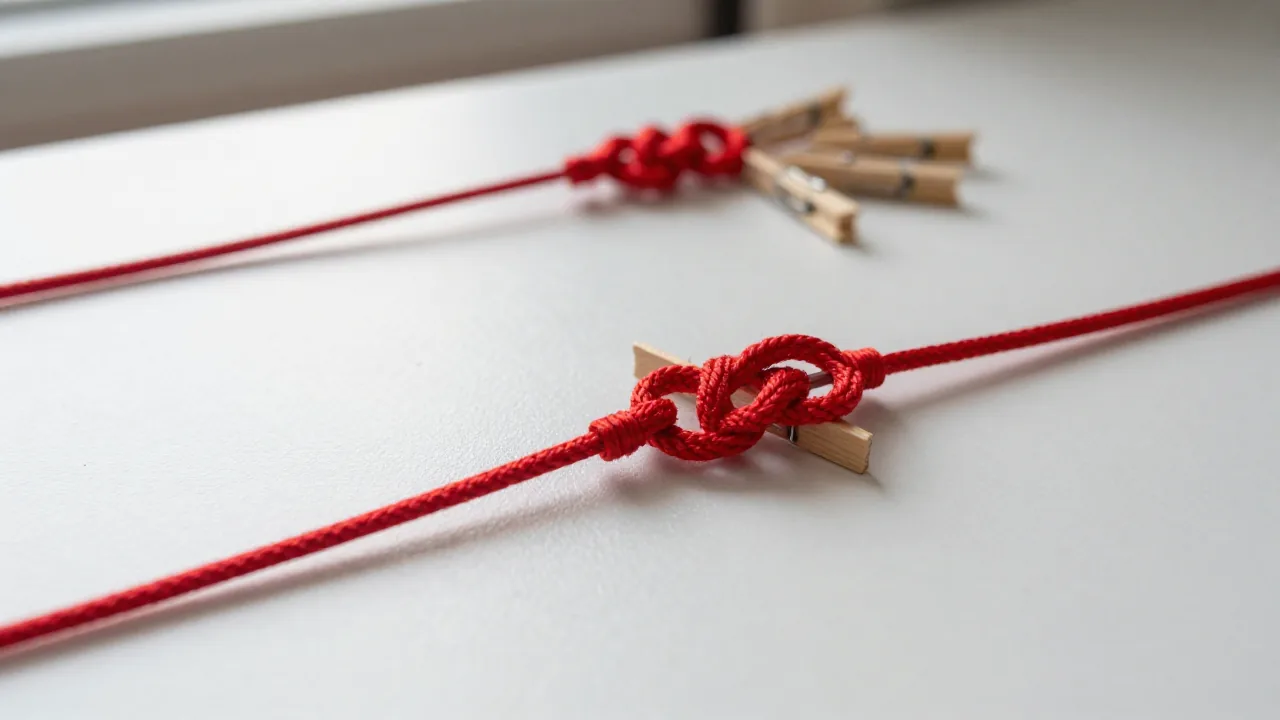
Lay out the open path as a practice step
Lay out the open path as a practice step is the practical lens that keeps chinese cord knotting from becoming too broad. It tells the reader which input, object, setting, or method should be named before any conclusion is drawn.
The useful detail is specific here: Each knot has a specific path and tightening order. The reader can check that point in the actual situation instead of treating it as a universal rule.
For the "Lay out the open path as a practice step" step, keep the result modest: use it to make one note, choice, or reflection, not to turn chinese cord knotting into a promise that overrides context.
Move slack through the knot in tightening stages
Move slack through the knot in tightening stages is the practical lens that keeps chinese cord knotting from becoming too broad. It tells the reader which input, object, setting, or method should be named before any conclusion is drawn.
The useful detail is specific here: Open-path rehearsal reduces crossed loops. The reader can check that point in the actual situation instead of treating it as a universal rule.
For the "Move slack through the knot in tightening stages" step, keep the result modest: use it to make one note, choice, or reflection, not to turn chinese cord knotting into a promise that overrides context.
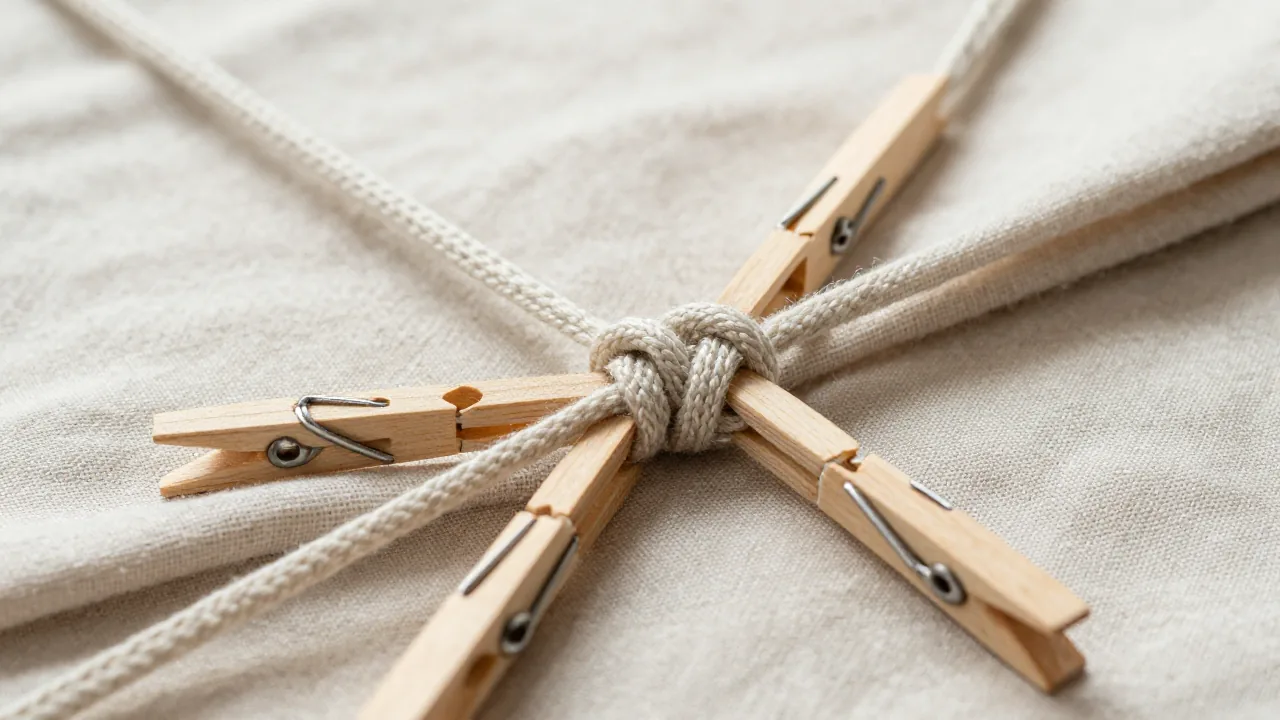
Fix crossed-loop mistakes before finishing
Fix crossed-loop mistakes before finishing is the practical lens that keeps chinese cord knotting from becoming too broad. It tells the reader which input, object, setting, or method should be named before any conclusion is drawn.
The useful detail is specific here: Ends may need trimming, sealing, or hidden placement. The reader can check that point in the actual situation instead of treating it as a universal rule.
For the "Fix crossed-loop mistakes before finishing" step, keep the result modest: use it to make one note, choice, or reflection, not to turn chinese cord knotting into a promise that overrides context.
Use symbolism without promising results
Use symbolism without promising results is the practical lens that keeps chinese cord knotting from becoming too broad. It tells the reader which input, object, setting, or method should be named before any conclusion is drawn.
The useful detail is specific here: Meaning is symbolic and contextual. The reader can check that point in the actual situation instead of treating it as a universal rule.
For the "Use symbolism without promising results" step, keep the result modest: use it to make one note, choice, or reflection, not to turn chinese cord knotting into a promise that overrides context.

Chinese Cord Knotting reader steps
- cord materials to the knot you want to make
- out the open path as a practice step
- slack through the knot in tightening stages
- crossed-loop mistakes before finishing
- symbolism without promising results
Chinese Cord Knotting questions
What does chinese cord knotting mean on this page?
Chinese cord knotting works best when the cord type, knot variation, open path, and tightening sequence match. Beginners should practice the visible path first, then tighten slowly and keep symbolism separate from guaranteed outcomes.
Which detail changes the answer most?
Smooth, firm cord holds shape better for many beginner knots.
Can this be used as a guaranteed result?
No. The page gives context, method, and boundaries, not certainty.
Why does context matter for chinese cord knotting?
Context identifies the method, material, relationship, setting, or record that changes how the answer should be read.
What should readers do next?
Use the steps, check the related guide, and keep any decision within the low-stakes boundary described here.