 Chinese Knot Guide
0.5 mm Chinese Knotting Cord: Scale, Tension, and Project Fit
A 0.5 mm Chinese knotting cord is suited to compact knots, jewelry-scale work, and fine finishing when the chosen material holds tension without fraying. C
Quick Answer: A 0.5 mm Chinese knotting cord is suited to compact knots, jewelry-scale work, and fine finishing when the chosen material holds tension without fraying. Check the measured diameter, fiber, finish, colorfastness, stiffness, and a small sample knot before buying for a full project.
What matters in a 1 mm cord sample
- Material
- Fiber and finish affect grip, memory, and tightening.
- Size
- Nominal 0.5 mm sizing can vary by maker and coating.
- Use case
- Fine cord supports compact knots and jewelry details.
- Risk
- A small test knot reveals slip, fraying, and poor end finishing.
- Limit
- Thickness alone does not determine strength or suitability.
Verify the actual half-millimeter diameter
Verify the actual half-millimeter diameter is the working question for this part of 0.5 mm chinese knotting cord. A 0.5 mm Chinese knotting cord is suited to compact knots, jewelry-scale work, and fine finishing when the chosen material holds tension without fraying. Check the measured diameter, fiber, finish, colorfastness, stiffness, and a small sample knot before buying for a full project.
The useful record is specific: material means fiber and finish affect grip, memory, and tightening. Readers should preserve the method, object, setting, or source that makes this point reproducible instead of relying on a loose association.
This distinction matters because size changes how the answer should be used. Keep the conclusion proportional to the evidence and carry the stated limit into any family note, comparison, or practical decision.
Match cord stiffness to a compact knot
Match cord stiffness to a compact knot is the working question for this part of 0.5 mm chinese knotting cord. A 0.5 mm Chinese knotting cord is suited to compact knots, jewelry-scale work, and fine finishing when the chosen material holds tension without fraying. Check the measured diameter, fiber, finish, colorfastness, stiffness, and a small sample knot before buying for a full project.
The useful record is specific: size means nominal 0.5 mm sizing can vary by maker and coating. Readers should preserve the method, object, setting, or source that makes this point reproducible instead of relying on a loose association.
This distinction matters because use case changes how the answer should be used. Keep the conclusion proportional to the evidence and carry the stated limit into any family note, comparison, or practical decision.
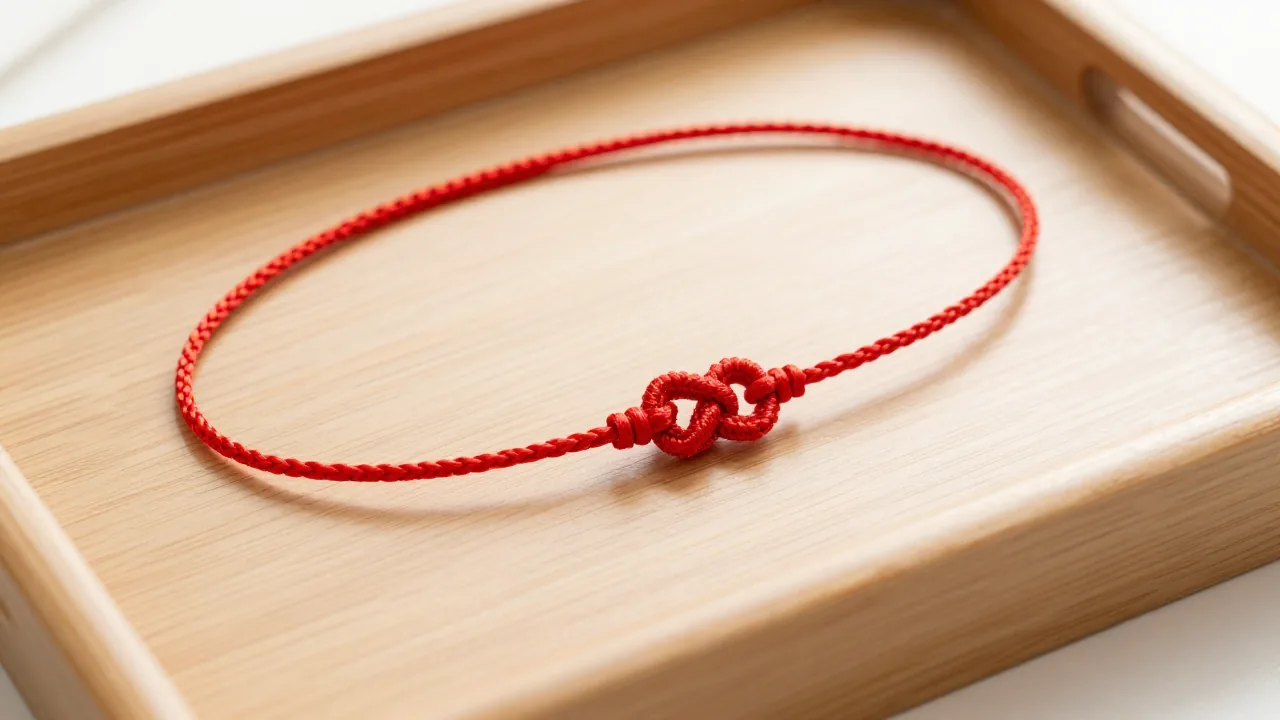
Test abrasion, fraying, and end finishing
Test abrasion, fraying, and end finishing is the working question for this part of 0.5 mm chinese knotting cord. A 0.5 mm Chinese knotting cord is suited to compact knots, jewelry-scale work, and fine finishing when the chosen material holds tension without fraying. Check the measured diameter, fiber, finish, colorfastness, stiffness, and a small sample knot before buying for a full project.
The useful record is specific: use case means fine cord supports compact knots and jewelry details. Readers should preserve the method, object, setting, or source that makes this point reproducible instead of relying on a loose association.
This distinction matters because risk changes how the answer should be used. Keep the conclusion proportional to the evidence and carry the stated limit into any family note, comparison, or practical decision.
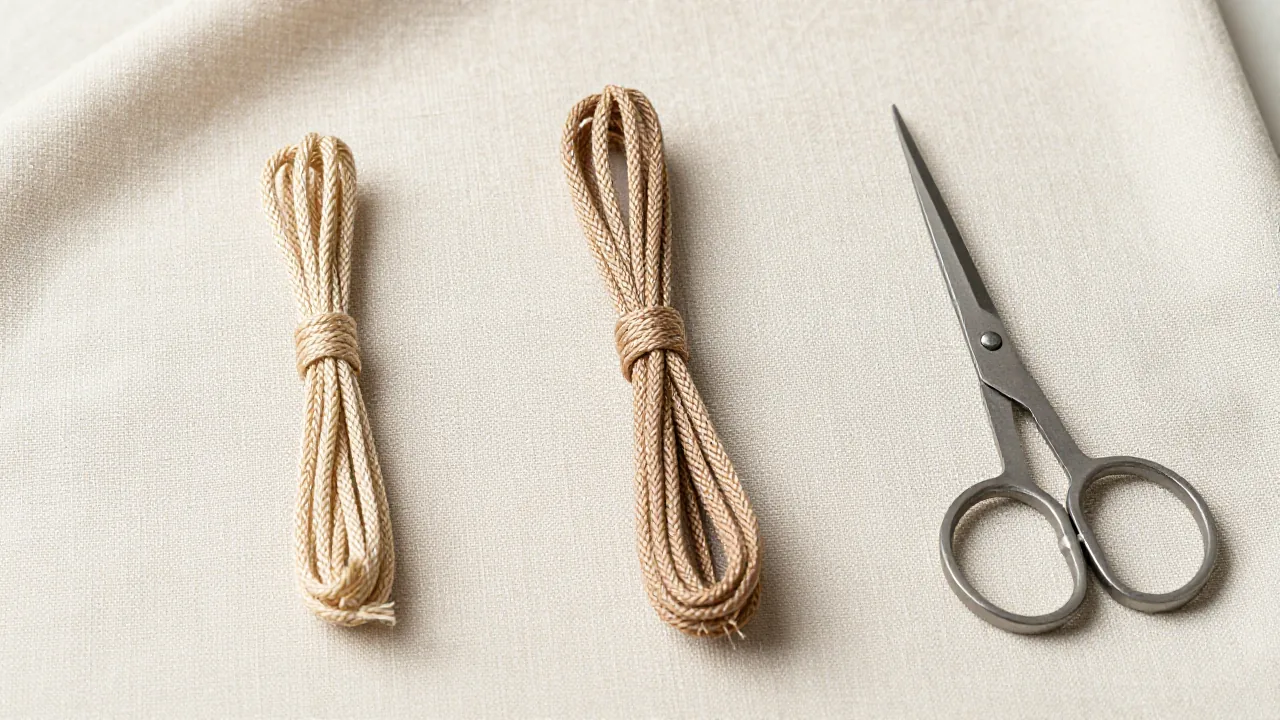
Check color and dye transfer on a sample
Check color and dye transfer on a sample is the working question for this part of 0.5 mm chinese knotting cord. A 0.5 mm Chinese knotting cord is suited to compact knots, jewelry-scale work, and fine finishing when the chosen material holds tension without fraying. Check the measured diameter, fiber, finish, colorfastness, stiffness, and a small sample knot before buying for a full project.
The useful record is specific: risk means a small test knot reveals slip, fraying, and poor end finishing. Readers should preserve the method, object, setting, or source that makes this point reproducible instead of relying on a loose association.
This distinction matters because limit changes how the answer should be used. Keep the conclusion proportional to the evidence and carry the stated limit into any family note, comparison, or practical decision.
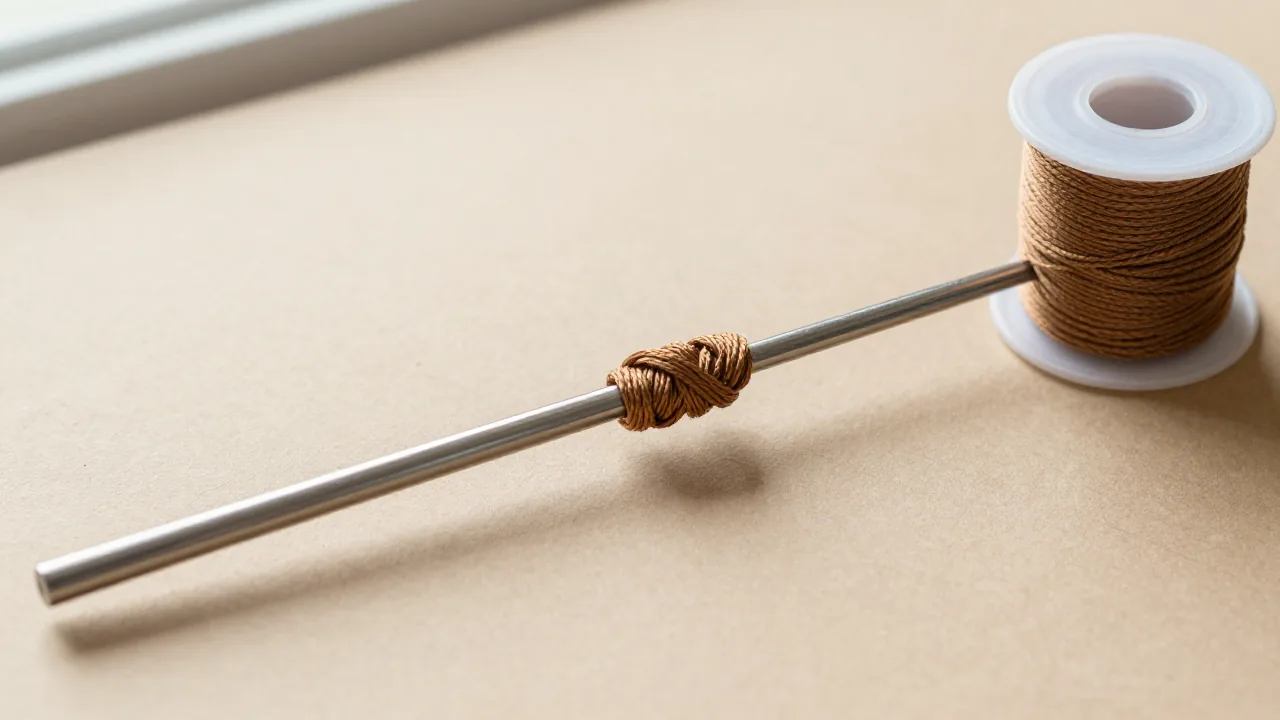
Choose projects that remain readable at small scale
Choose projects that remain readable at small scale is the working question for this part of 0.5 mm chinese knotting cord. A 0.5 mm Chinese knotting cord is suited to compact knots, jewelry-scale work, and fine finishing when the chosen material holds tension without fraying. Check the measured diameter, fiber, finish, colorfastness, stiffness, and a small sample knot before buying for a full project.
The useful record is specific: limit means thickness alone does not determine strength or suitability. Readers should preserve the method, object, setting, or source that makes this point reproducible instead of relying on a loose association.
This distinction matters because material changes how the answer should be used. Keep the conclusion proportional to the evidence and carry the stated limit into any family note, comparison, or practical decision.
A small-knot cord test before a full project
- verify the actual half-millimeter diameter
- match cord stiffness to a compact knot
- test abrasion, fraying, and end finishing
- check color and dye transfer on a sample
- choose projects that remain readable at small scale
Questions about 1 mm nylon cord
What is 0.5 mm knotting cord used for?
Fiber and finish affect grip, memory, and tightening. Apply that point to the exact date, method, material, passage, scene, or family record described in the question.
Is 0.5 mm cord too thin for Chinese knots?
Nominal 0.5 mm sizing can vary by maker and coating. Apply that point to the exact date, method, material, passage, scene, or family record described in the question.
Which material holds a small knot well?
Fine cord supports compact knots and jewelry details. Apply that point to the exact date, method, material, passage, scene, or family record described in the question.
How do I test colorfastness and fraying?
A small test knot reveals slip, fraying, and poor end finishing. Apply that point to the exact date, method, material, passage, scene, or family record described in the question.
Can cord diameter predict breaking strength?
Thickness alone does not determine strength or suitability. Use the page as a bounded reference and check an appropriate primary or professional source when the decision carries real consequences.