 Chinese Knot Guide
How to Choose and Attach Chinese Knot Tassels
How to Choose and Attach Chinese Knot Tassels. Explain tassel construction and attachment as a separate component of a Chinese knot hanging.
Quick Answer: chinese knot tassels: A tassel is a finishing component, not the knot itself. Choose fiber, length, fullness, head wrap, and attachment loop to suit the knot scale, then inspect balance and security. Explain tassel construction and attachment as a separate component of a Chinese knot hanging. This guide keeps source facts, worked observations, and cultural interpretation in separate layers so that the answer can be checked without turning symbolism into certainty.
How to Choose and Attach Chinese Knot Tassels facts
- Role
- Finishing component
- Parts
- Loop, head wrap, skirt, trim
- Proportion
- Matched to knot scale
- Attachment
- Separate inspectable join
- Safety
- Decorative use only
Identify the tassel and knot before starting
## Quick Answer A tassel is a finishing component, not the knot itself. Choose fiber, length, fullness, head wrap, and attachment loop to suit the knot scale, then inspect balance and security. Explain tassel construction and attachment as a separate component of a Chinese knot hanging. This guide keeps source facts, worked observations, and cultural interpretation in separate layers so that the answer can be checked without turning symbolism into certainty.
Start this part with the observable input. Listings often blur knot and tassel. The relevant detail here is Role: Finishing component. That field answers a narrower question than the full phrase “chinese knot tassels,” which is why it should remain visible rather than being buried in a general conclusion. Fibers hang and wear differently. Readers can then distinguish a documented input from an interpretation, preference, or family practice.
The useful question is where the boundary changes the result. Compare it with Proportion: Matched to knot scale. If that second field is unknown, say so and continue with the information that can be checked. Pause with the structure still open, compare it with the selected pattern, and correct the path before tightening. This approach preserves useful detail without claiming that a calendar label, literary symbol, number, dream, surname spelling, craft diagram, dining custom, product label, or family tradition guarantees an outcome.
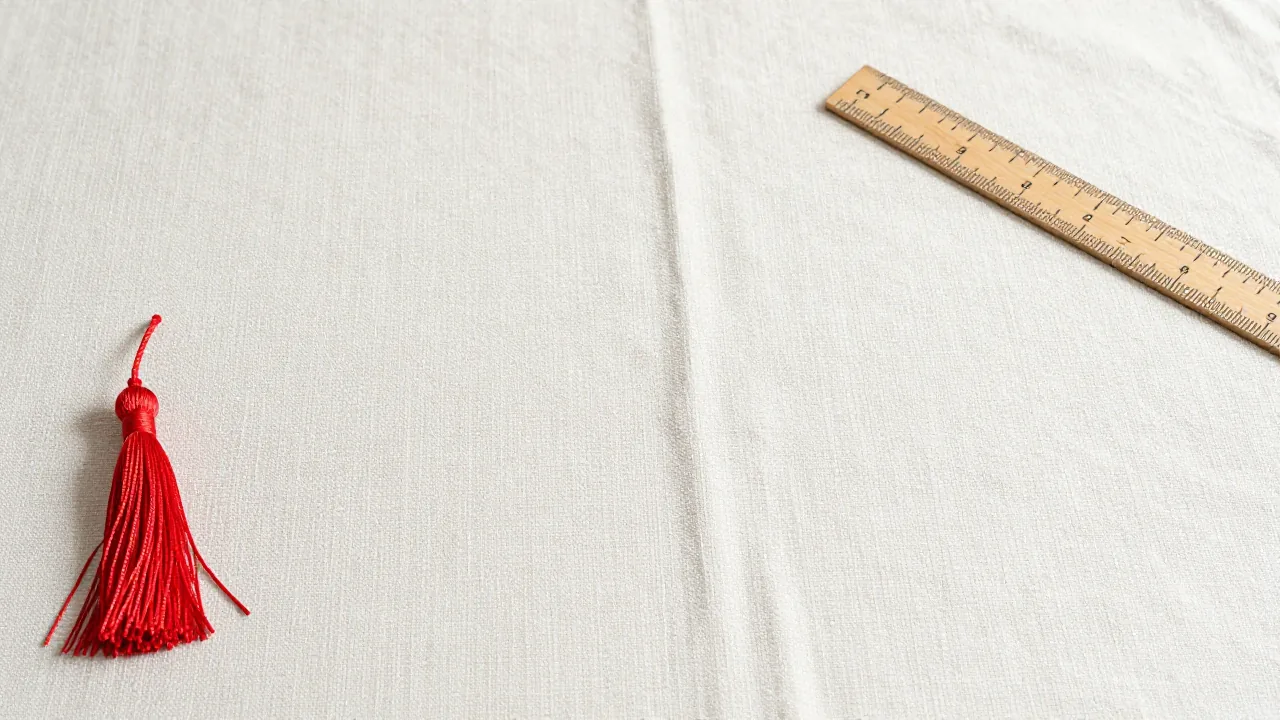
Choose fiber and fullness for the project
This section turns on a distinction that is easy to lose. Fibers hang and wear differently. The relevant detail here is Parts: Loop, head wrap, skirt, trim. That field answers a narrower question than the full phrase “chinese knot tassels,” which is why it should remain visible rather than being buried in a general conclusion. A mockup prevents poor proportion. Readers can then distinguish a documented input from an interpretation, preference, or family practice.
This also shows why a broad search label is not a complete answer. Compare it with Attachment: Separate inspectable join. If that second field is unknown, say so and continue with the information that can be checked. Pause with the structure still open, compare it with the selected pattern, and correct the path before tightening. This approach preserves useful detail without claiming that a calendar label, literary symbol, number, dream, surname spelling, craft diagram, dining custom, product label, or family tradition guarantees an outcome.
Measure the tassel length step by step
Work through the example in the order a reader would encounter it. A mockup prevents poor proportion. The relevant detail here is Proportion: Matched to knot scale. That field answers a narrower question than the full phrase “chinese knot tassels,” which is why it should remain visible rather than being buried in a general conclusion. The head wrap should contain strands securely. Readers can then distinguish a documented input from an interpretation, preference, or family practice.
A worked record should expose the decision rather than hide it. Compare it with Safety: Decorative use only. If that second field is unknown, say so and continue with the information that can be checked. Pause with the structure still open, compare it with the selected pattern, and correct the path before tightening. This approach preserves useful detail without claiming that a calendar label, literary symbol, number, dream, surname spelling, craft diagram, dining custom, product label, or family tradition guarantees an outcome.
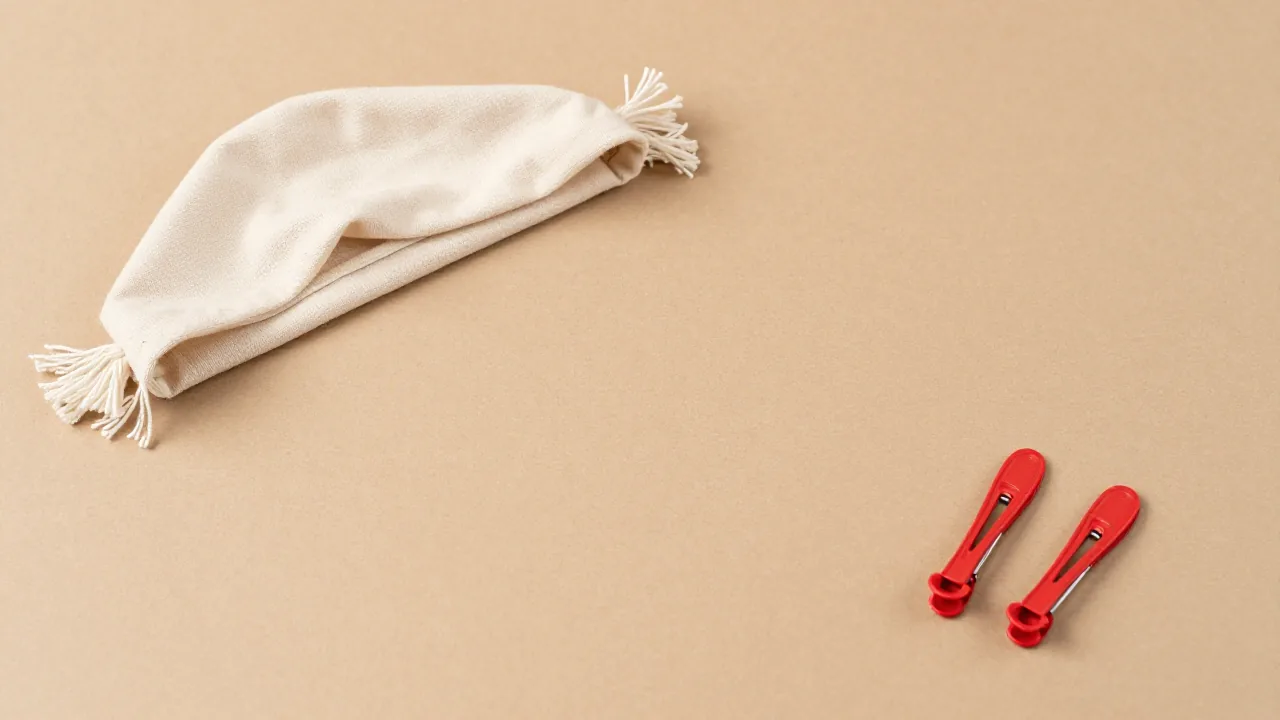
Build and secure the tassel head
Keep the local context visible before drawing an inference. The head wrap should contain strands securely. The relevant detail here is Attachment: Separate inspectable join. That field answers a narrower question than the full phrase “chinese knot tassels,” which is why it should remain visible rather than being buried in a general conclusion. A separate loop makes wear visible. Readers can then distinguish a documented input from an interpretation, preference, or family practice.
Uncertainty belongs in the result instead of being smoothed away. Compare it with Role: Finishing component. If that second field is unknown, say so and continue with the information that can be checked. Pause with the structure still open, compare it with the selected pattern, and correct the path before tightening. This approach preserves useful detail without claiming that a calendar label, literary symbol, number, dream, surname spelling, craft diagram, dining custom, product label, or family tradition guarantees an outcome.
Attach the tassel without distorting the knot
Compare the alternatives on the same basis. A separate loop makes wear visible. The relevant detail here is Safety: Decorative use only. That field answers a narrower question than the full phrase “chinese knot tassels,” which is why it should remain visible rather than being buried in a general conclusion. Use material-appropriate trimming precautions. Readers can then distinguish a documented input from an interpretation, preference, or family practice.
The next action should follow from the evidence actually available. Compare it with Parts: Loop, head wrap, skirt, trim. If that second field is unknown, say so and continue with the information that can be checked. Pause with the structure still open, compare it with the selected pattern, and correct the path before tightening. This approach preserves useful detail without claiming that a calendar label, literary symbol, number, dream, surname spelling, craft diagram, dining custom, product label, or family tradition guarantees an outcome.
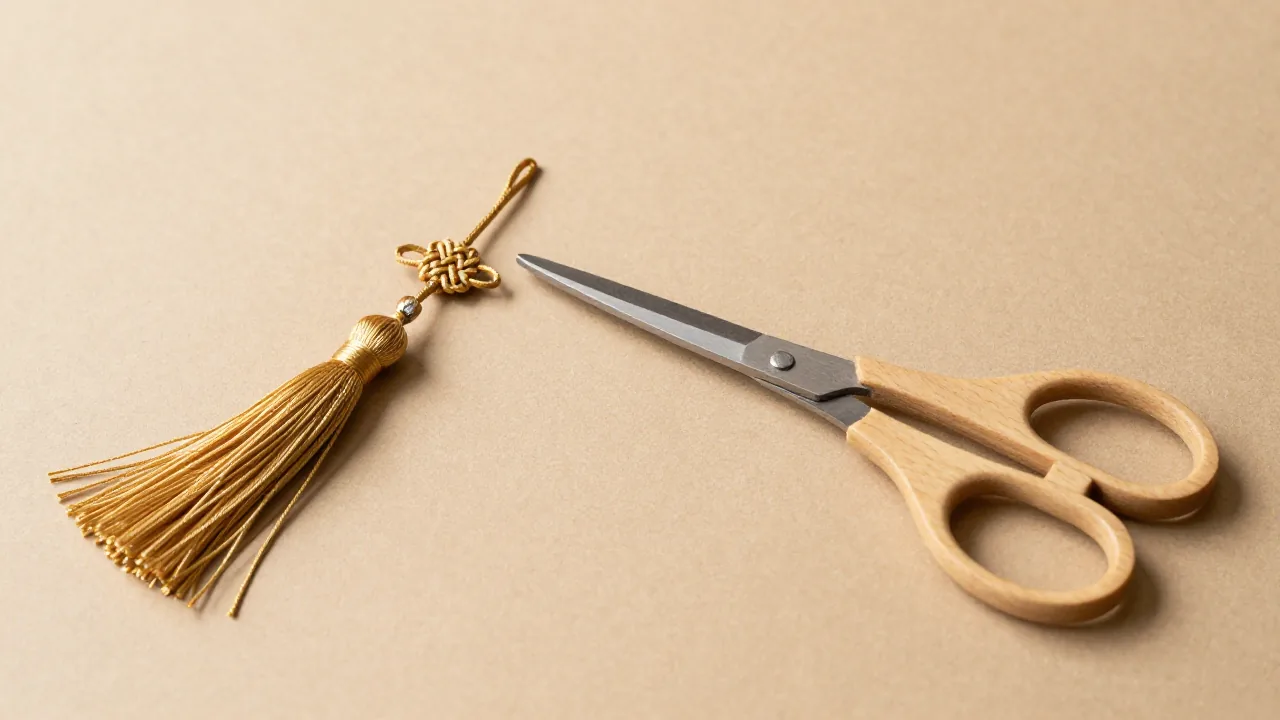
Check and trim the completed hanging
Close the method by preserving what another reader would need. Use material-appropriate trimming precautions. The relevant detail here is Role: Finishing component. That field answers a narrower question than the full phrase “chinese knot tassels,” which is why it should remain visible rather than being buried in a general conclusion. Listings often blur knot and tassel. Readers can then distinguish a documented input from an interpretation, preference, or family practice.
A final audit should be able to reproduce the route to the conclusion. Compare it with Proportion: Matched to knot scale. If that second field is unknown, say so and continue with the information that can be checked. Pause with the structure still open, compare it with the selected pattern, and correct the path before tightening. This approach preserves useful detail without claiming that a calendar label, literary symbol, number, dream, surname spelling, craft diagram, dining custom, product label, or family tradition guarantees an outcome.
Review chinese knot tassels step by step
- Role: Finishing component
- Parts: Loop, head wrap, skirt, trim
- Proportion: Matched to knot scale
- Attachment: Separate inspectable join
- Safety: Decorative use only
Questions about chinese knot tassels
What does role mean here?
Finishing component. Keep that field with the input or source that establishes it.
Why does parts matter?
Loop, head wrap, skirt, trim. It narrows the question and prevents two different methods from being blended.
Can proportion change the answer?
Matched to knot scale. A changed input can change the recorded result, so preserve both versions.
How should I verify attachment?
Separate inspectable join. Check the named source, product, record, or method rather than relying on a copied summary.
What is the limit of safety?
Decorative use only. It should not be extended into a promise, diagnosis, prediction, or unsupported family claim.