Chinese knot reference
Chinese Knot Product Series
Choose a product path by use case first, then compare material, size, finishing, packaging, and practical fit.
Product Series
Browse Chinese knot products by use case
These are guide-led product paths rather than a random product list. Start with the use case, then compare size, material, finishing, packaging, and fit before choosing an item.
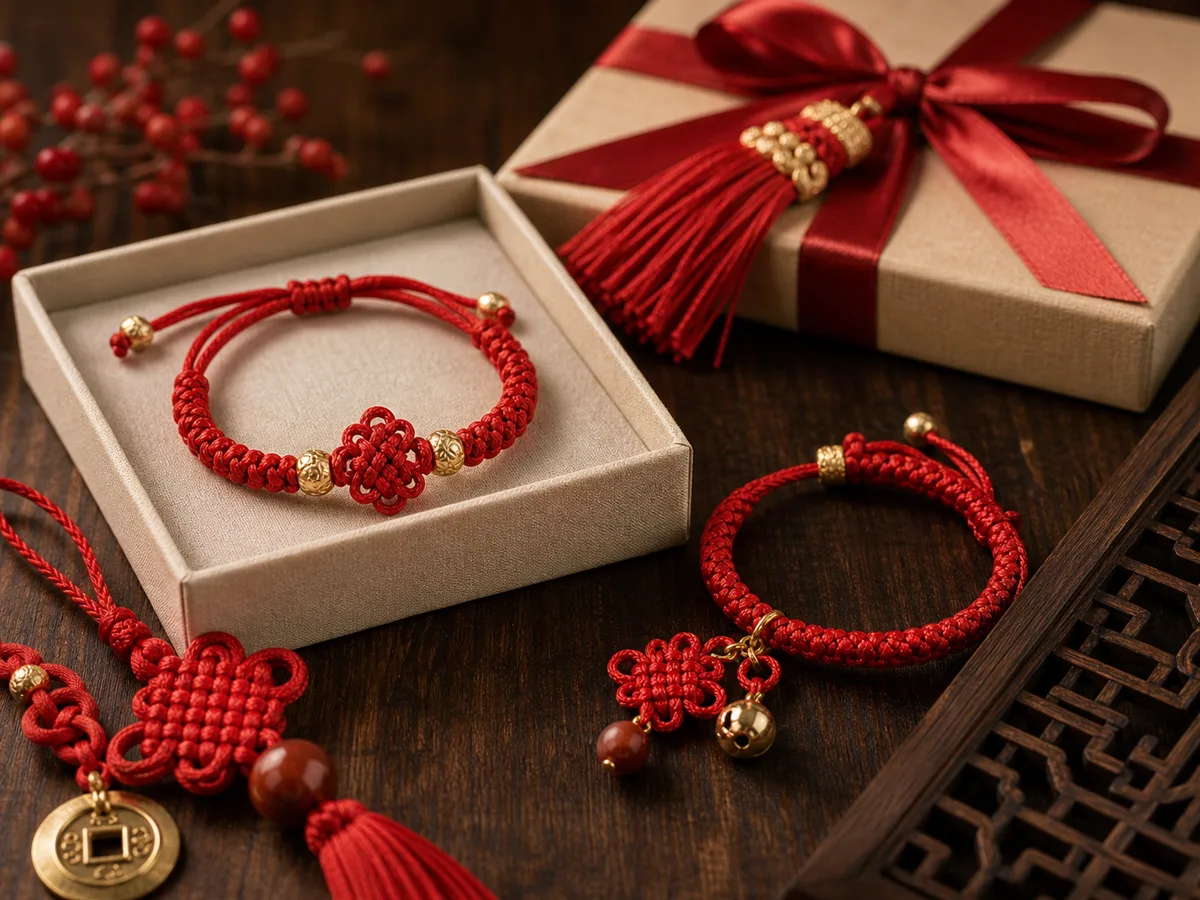 GiftsChinese Knot Wedding Favors
Small keepsakes, wedding favors, and gift-ready knot ideas with packaging and quality checks.
Open selection guide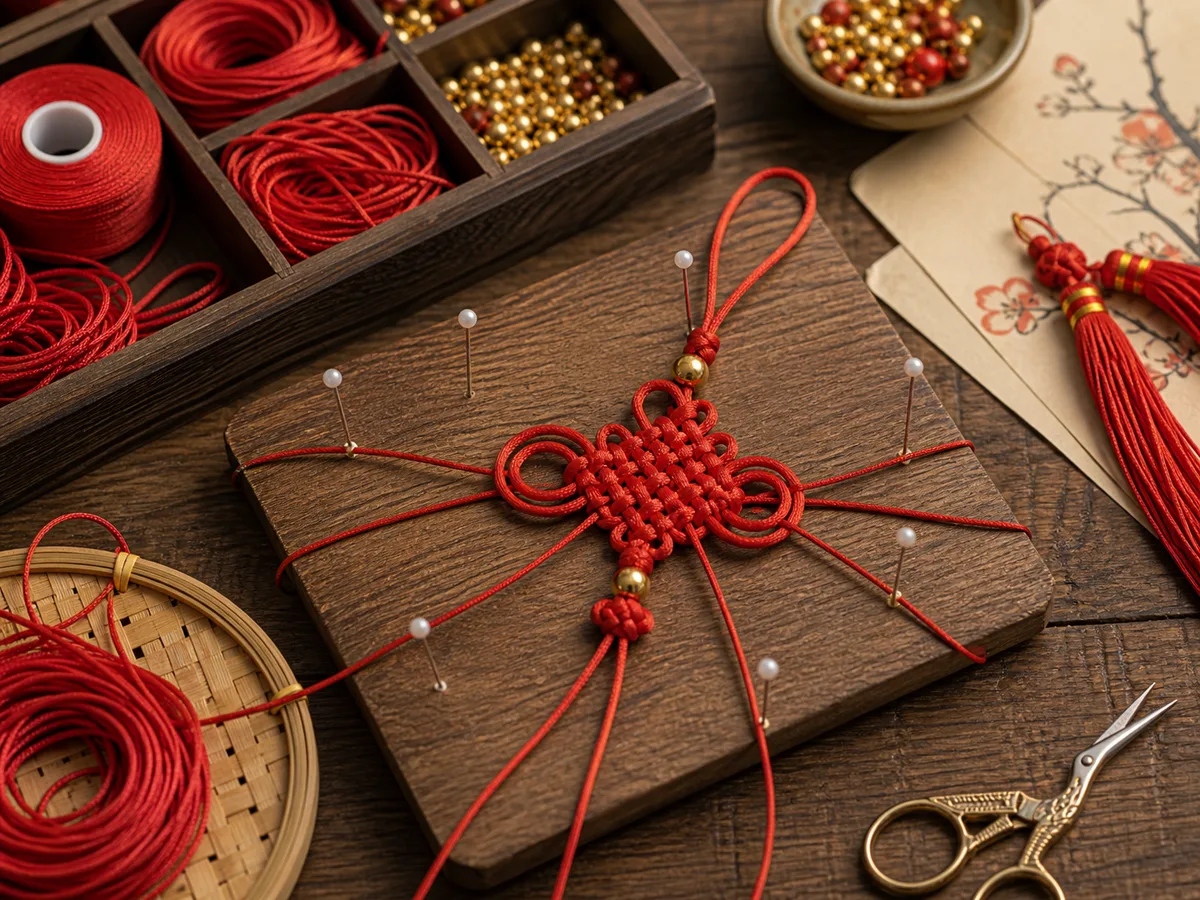 WearablesBracelets and Wearable Knots
Bracelet and jewelry paths focused on fit, cord comfort, closure security, and finishing.
Open selection guide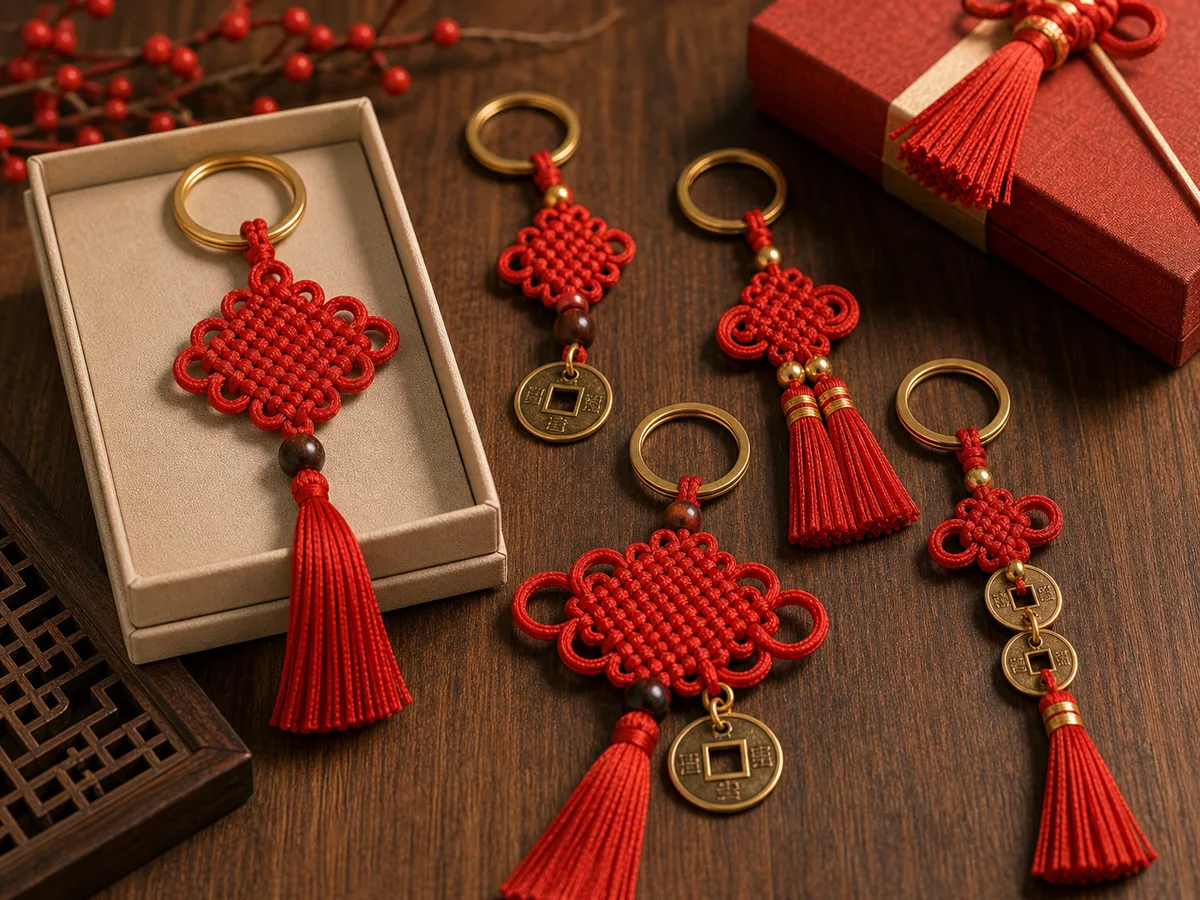 CharmsKeychains and Bag Charms
Portable gift pieces judged by hardware, cord strength, size, tassel finish, and daily handling.
Open selection guide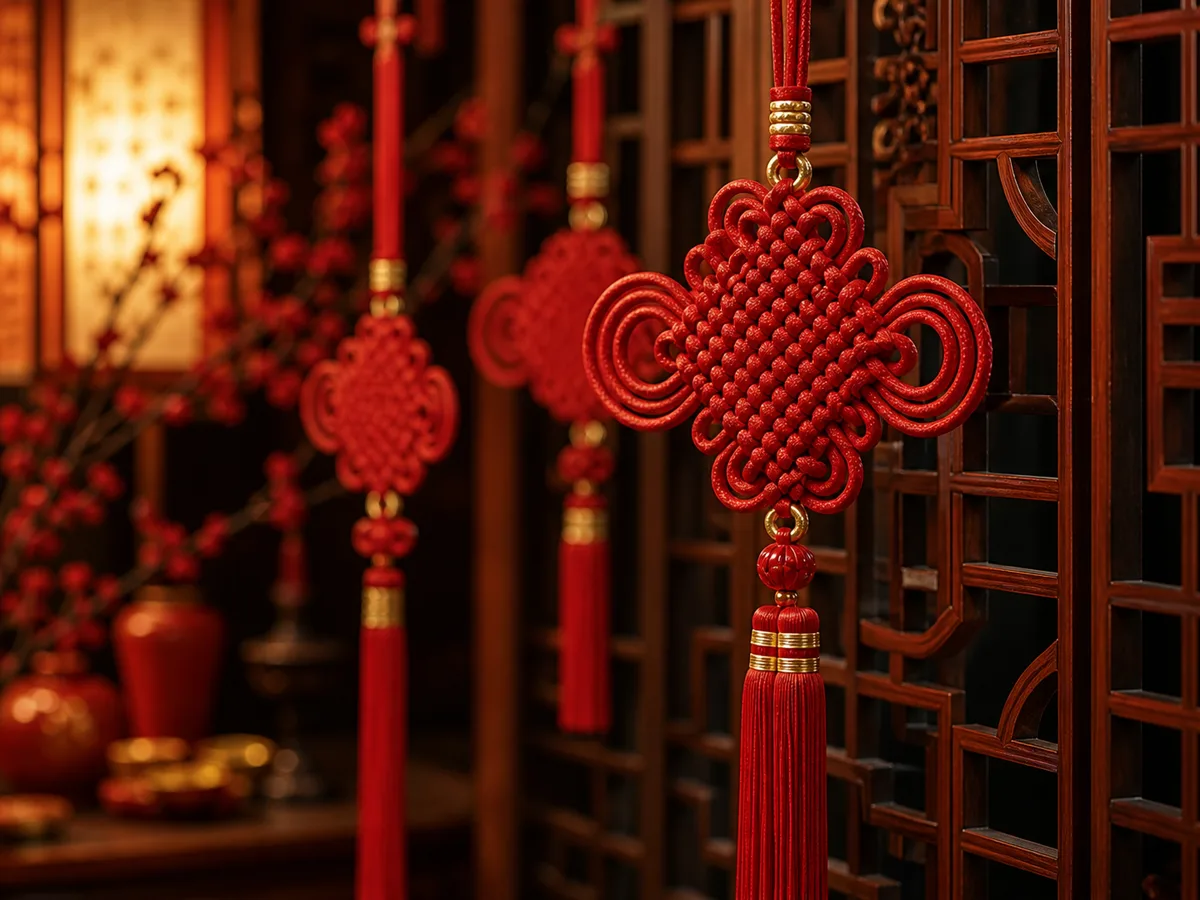 DecorWall Decor and Hanging Knots
Hanging and wall-display ideas with scale, placement, mounting, and tassel checks.
Open selection guide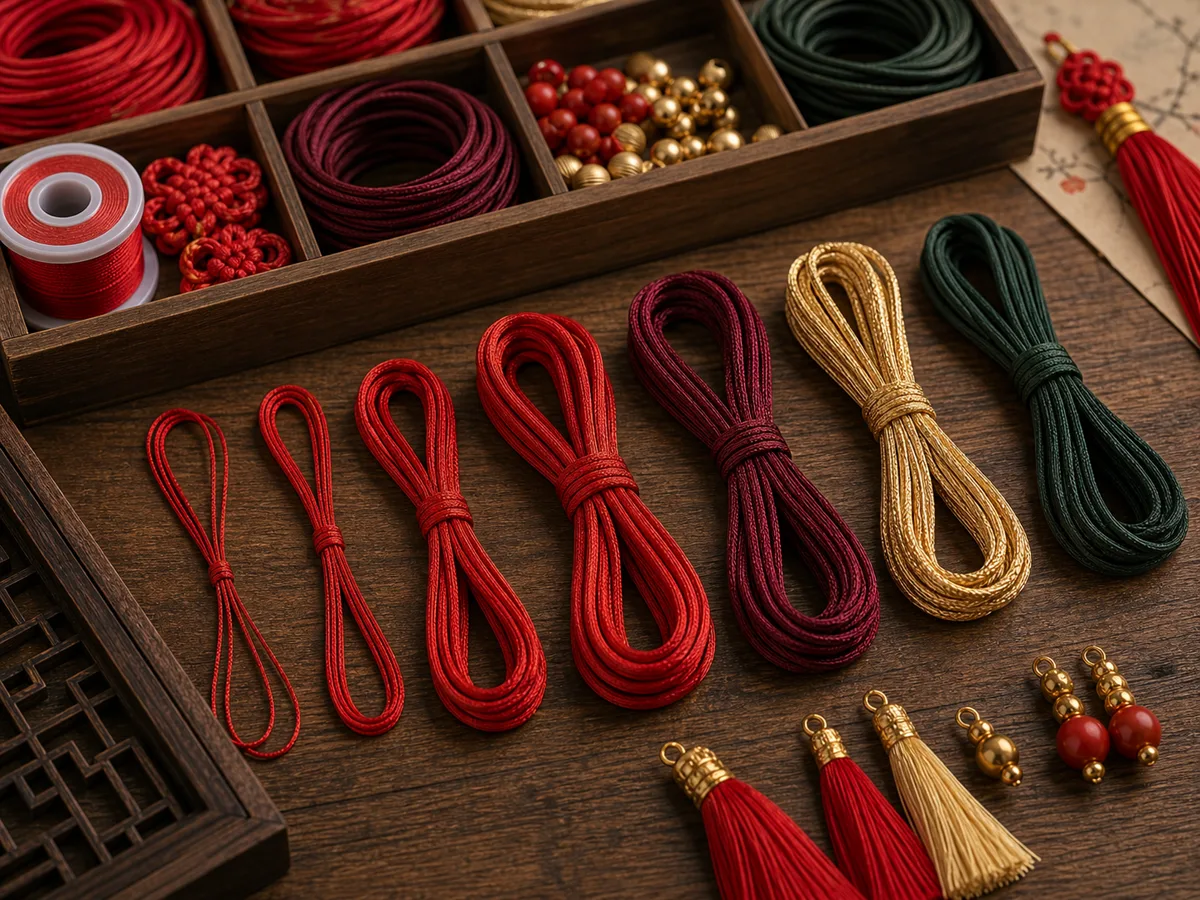 SuppliesCord and Starter Supplies
Choose cord thickness, texture, color, and starter materials for practice or finished projects.
Open selection guide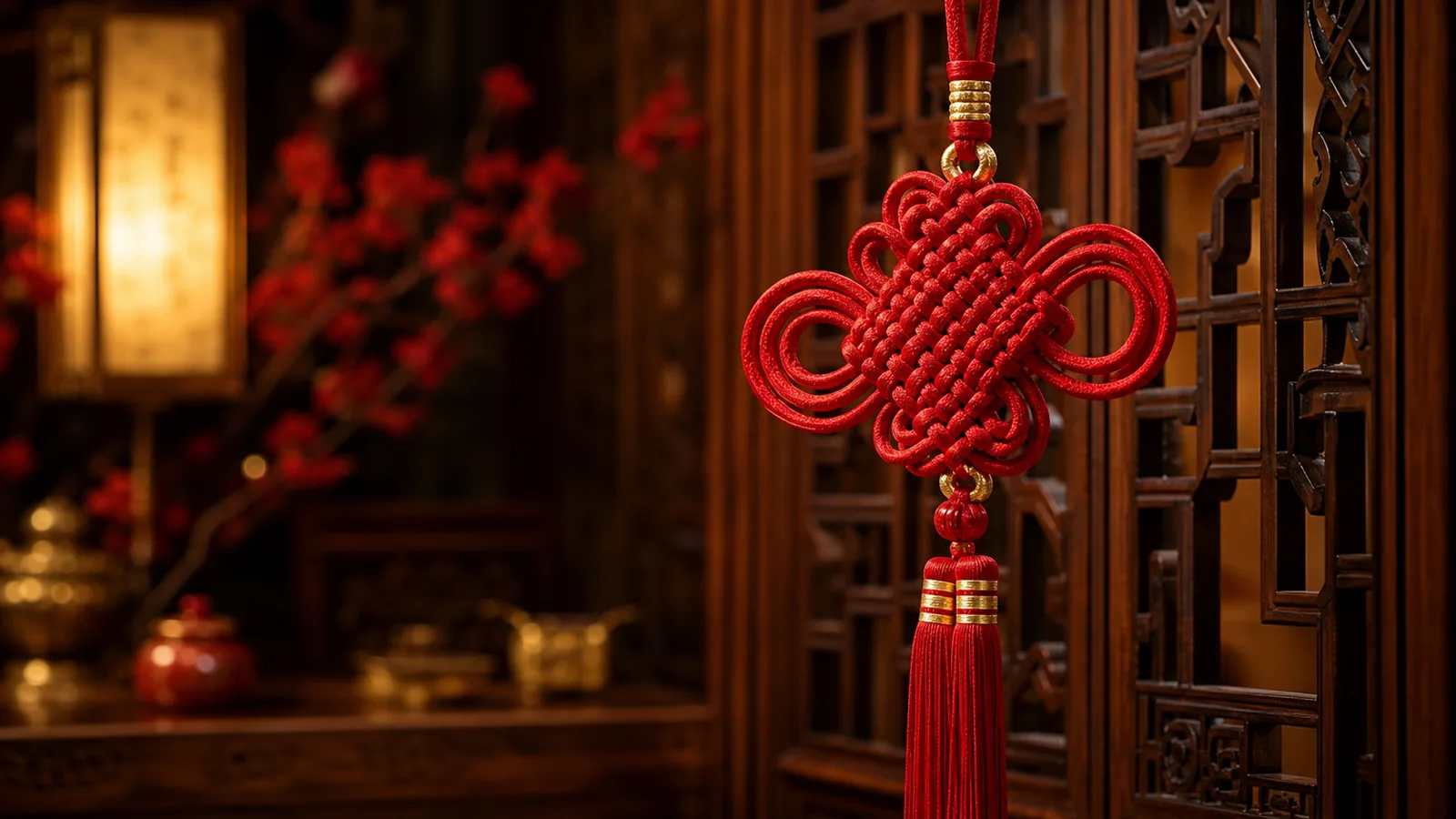 FestivalFestival Ornaments and Displays
Festive display pieces for doors, rooms, celebrations, and culturally careful gifting.
Open selection guideIndividual partner product links will be added after the exact items, images, pricing, and availability are confirmed.
Choose the series by the job it needs to do
Wedding favors are chosen for quantity, presentation, and a clear guest use. Bracelets and wearable knots need comfort, a secure closure, and a finished size that suits the wearer. Keychains and bag charms need hardware that can tolerate daily handling. Wall decor and hanging knots need enough visual weight for the space, a stable attachment point, and a tassel length that does not overwhelm nearby furniture.
Separating these jobs keeps the product entrance useful. A small red knot can be a good favor but a poor wall decoration if it disappears at a distance. A large hanging piece can look balanced on a door but feel uncomfortable as jewelry. Start with the final setting, then narrow the choice by size, material, and finishing.
What to check in a finished knot
Look at the complete item before judging the color or symbolic name. The main knot should be reasonably symmetrical, the cord should not show obvious fraying, and the tassel or pendant should hang without a strong twist. For wearable pieces, inspect the closure and the points that rub against skin. For keychains, inspect the ring, connector, and the place where cord meets hardware.
Photos are useful evidence when they show the full product, a close view of the knot, and enough surrounding scale to judge size. A close-up can make a small charm look like a large ornament. Product notes should also state materials, dimensions, care limits, and packaging where those details affect the decision.
How gift formats change the choice
A wedding favor or small keepsake is easier to use when the meaning card, wrapping, and quantity are clear. A bracelet or charm is more personal and should make comfort, fit, and attachment style obvious. A wall ornament is often bought for a room, entryway, festival display, or gift presentation, so the buyer needs dimensions and hanging guidance rather than only a symbolic description.
Color can support the occasion, but it should not replace practical information. Red and gold may feel festive, while neutral or mixed cords may fit a quieter interior. The safer product wording explains the visual mood and cultural association without claiming that the item guarantees luck, wealth, protection, or relationship results.
When cord and supplies are the better product path
Readers who want to make their own knots should start with cord and a small number of compatible supplies. Medium cord that is easy to see and not too slippery helps beginners follow the crossings. A flat work surface, pins or a board, scissors, and a reference pattern are often more useful than a large mixed kit with materials the project does not need.
Choose supplies by the intended project. Bracelet cord needs softness and a workable closure. Keychain cord needs strength and secure finishing. Decorative projects may need thicker cord, tassels, beads, or hanging loops. The goal is not to collect every color; it is to use a material that makes the next practice step clear.
How future partner product links will fit
Once exact products are approved, each partner link should sit inside the matching series rather than being scattered across unrelated articles. The product card should identify the item type, show a relevant image, state the use case, and keep price or availability language tied to the live listing. The surrounding guide should remain useful even when a listing changes or disappears.
This structure also keeps the site honest while the catalog is being built. A guide can explain what to compare today, while a later product card can point to a specific item after its image, destination, commission setup, and disclosure have been checked. That is more durable than adding a generic shopping button to every content page.
A simple buying sequence
Use a short sequence when comparing products: define the setting, measure the available space or wearer, identify the material and hardware, inspect the complete photo, check finishing and packaging, then confirm the destination and return information. This sequence works for gifts, decor, jewelry, keychains, and craft supplies because it starts with the real use rather than the product name.
If two items look similar, choose the one with clearer dimensions, more complete material notes, a full-product image, and a use case that matches the page you came from. A clear product entrance should reduce uncertainty, not push every visitor toward the same item.
FAQ
Common Chinese knot questions
BasicsKnot and meaning
Which Chinese knot product series should I start with?
Start with the use case you can describe clearly: wedding favors for guest gifts, bracelets for wearable items, keychains for portable charms, wall decor for display, or cord and supplies for a DIY project.
How should I compare finished Chinese knot products?
Compare the full dimensions, cord or material details, knot symmetry, tassel finishing, hardware, packaging, and whether the photos show the entire item rather than only a close-up.
CraftCord and tutorial
Are these product series direct shopping pages?
They are guide-led product entrances. Exact partner product links can be added after the item, image, price, availability, and disclosure details are confirmed.
What should I check before buying a Chinese knot wedding favor?
Check the finished size, color consistency, packaging, knot and tassel finishing, quantity options, and whether the item is practical for the guest use and event setting.
Use casesJewelry and gifts
Are cord and supplies suitable for beginners?
Choose a visible medium cord, a manageable knot pattern, and supplies that match the project. Beginners should avoid buying many materials before confirming the cord thickness and finished use.
Does a Chinese knot guarantee luck or protection?
No. Chinese knot meanings are cultural or symbolic interpretations. Product descriptions should explain the intended wish or context without promising a personal outcome.
How to choose
Use the guide before choosing an item
Bracelets need comfortable cord and a secure closure. Keychains need stronger hardware. Wall decor needs correct scale and a stable hanging point. Wedding favors need packaging and consistent finishing. Cord and supplies need a thickness that matches the project.
This page is the product entrance for the site. It keeps product categories together without turning every guide article into a sales block. When exact partner products are approved, they can be added inside the matching series without changing the information architecture.
 Chinese Knot Guide