 Chinese Knot Guide
Double Connection Knot Meaning: Form, Pairing, and Use
A focused guide to double connection knot meaning, with facts, practical checks, context, and clear limits.
Quick Answer: The double connection knot uses linked cord structures to create a compact connection. The knot does not guarantee a relationship outcome.
How the double connection knot works
- Form
- The double connection knot uses linked cord structures to create a compact connection.
- Use
- It can join decorative sections or appear within a larger hanging.
- Symbolic meaning
- Its linked form may support association with connection or continuity.
- Cultural context
- Color, object, occasion, and neighboring motifs affect interpretation.
- Claim limit
- The knot does not guarantee a relationship outcome.
The linked structure at the center of the knot
A double connection knot is recognized by linked cord paths that create a compact joining form. The visible relationship between the two connected parts matters more than a loose resemblance to any single loop. This distinction gives the reader a concrete field to verify before moving to the next part of the decision.
Follow one cord path at a time when examining a finished piece. Crossing points, turns, and the direction in which the cord exits reveal how the connection is built and whether the knot is being used alone or inside a larger composition. Keeping the source and context visible prevents a convenient shorthand from becoming a broader unsupported claim.
A photograph can show the face of the knot but may hide the reverse path. For construction study, compare front and back views and keep tension even before tightening the final shape. The check is repeatable because another reader can inspect the same object, record, or instruction rather than relying on a promise.
Names vary across craft translations and sellers. Identify the actual structure before applying a label, especially when a decorative product combines several knot types. That boundary preserves the useful cultural or practical information while making clear where independent evidence is still required.
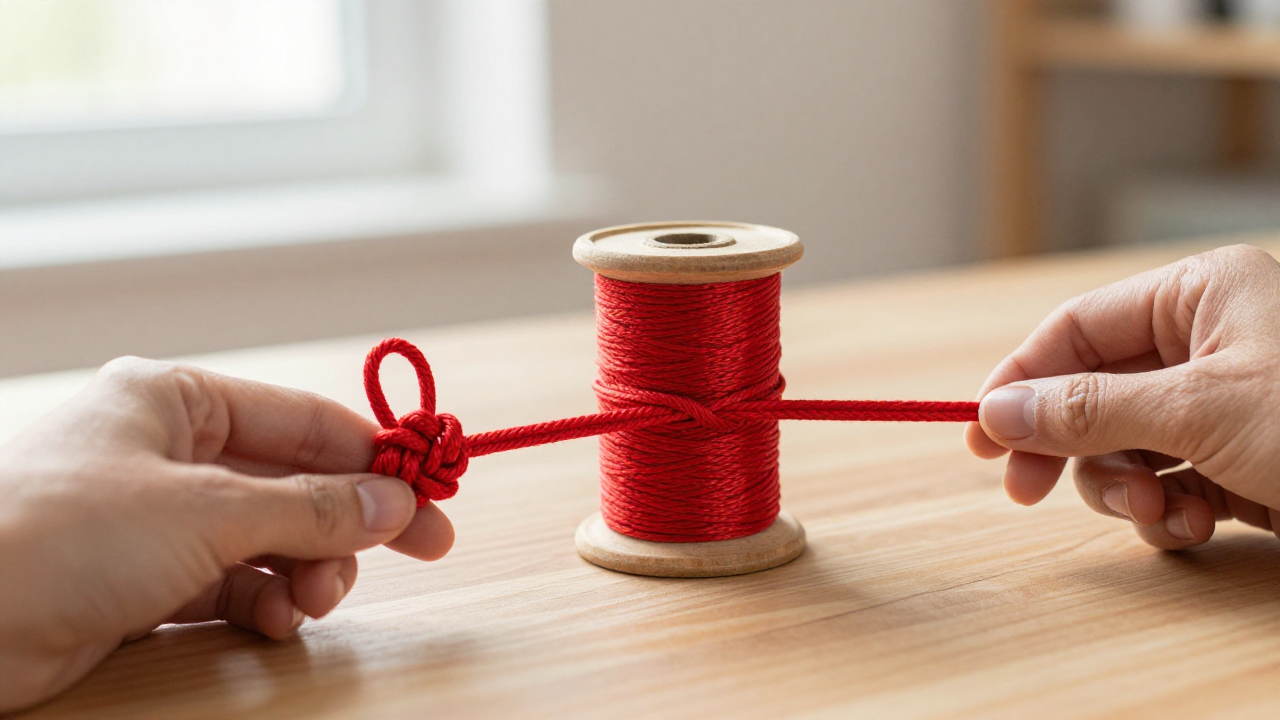
A connector rather than an isolated ornament
The knot can join tassels, medallions, loops, or neighboring decorative sections. In that role its practical function is continuity: it transfers the cord path and keeps the composition visually connected. Keeping the source and context visible prevents a convenient shorthand from becoming a broader unsupported claim.
Scale changes its appearance. A small connector may nearly disappear between larger motifs, while a larger version can become the visual center of a hanging or accessory. The check is repeatable because another reader can inspect the same object, record, or instruction rather than relying on a promise.
Inspect where load and friction occur if the object will be handled. Decorative cordwork should not be assumed to carry weight merely because the connection looks compact. That boundary preserves the useful cultural or practical information while making clear where independent evidence is still required.
The surrounding object determines whether the knot is structural, ornamental, or both. Describe that use directly instead of treating the knot name as a complete product specification. This distinction gives the reader a concrete field to verify before moving to the next part of the decision.
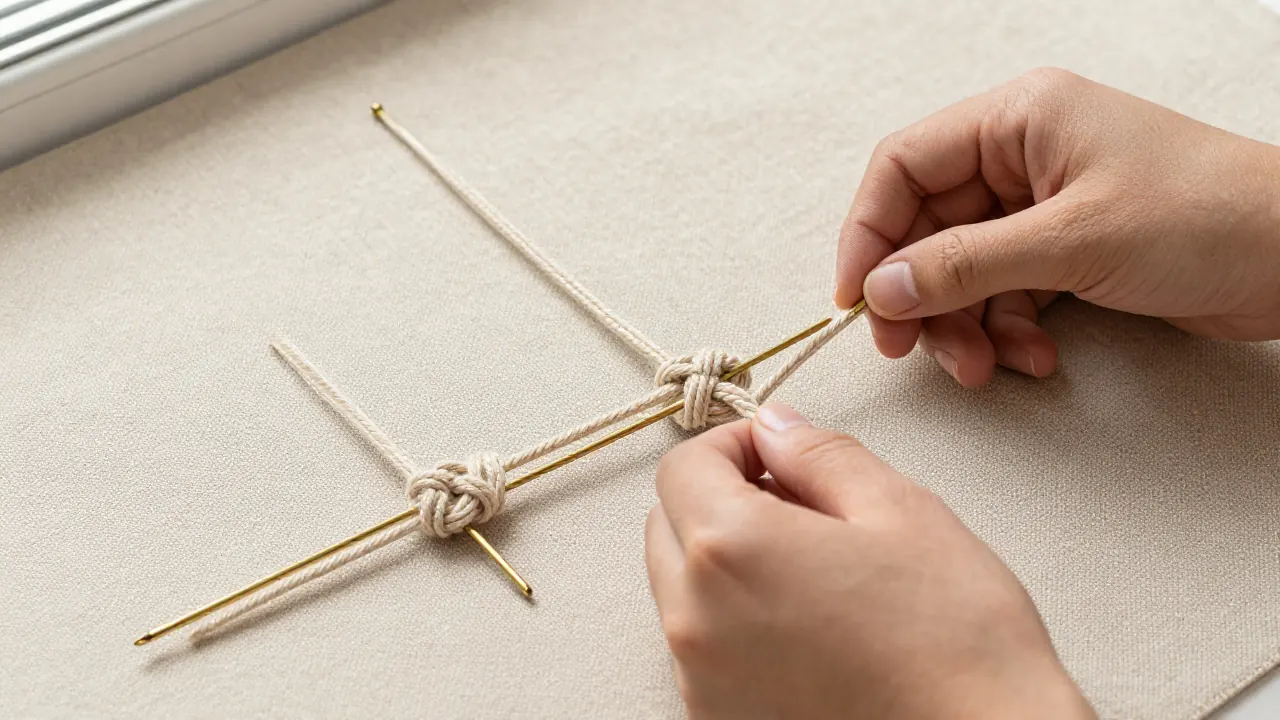
Why linked forms invite pairing symbolism
Linked forms can support associations with connection, continuity, or paired relationships. That reading comes from the visible construction and the occasion in which the finished object is presented. The check is repeatable because another reader can inspect the same object, record, or instruction rather than relying on a promise.
Symbolism is strongest when the maker or recipient understands the chosen context. A wedding ornament, friendship gift, or household hanging may place the same knot inside different stories. That boundary preserves the useful cultural or practical information while making clear where independent evidence is still required.
Neighboring motifs can redirect the interpretation. Coins, flowers, tassels, written blessings, and color choices add meanings that do not come from the double connection knot alone. This distinction gives the reader a concrete field to verify before moving to the next part of the decision.
Treat symbolic language as cultural interpretation rather than a promise. The knot can express a wish or relationship theme, but it cannot guarantee affection, reconciliation, or future luck. Keeping the source and context visible prevents a convenient shorthand from becoming a broader unsupported claim.
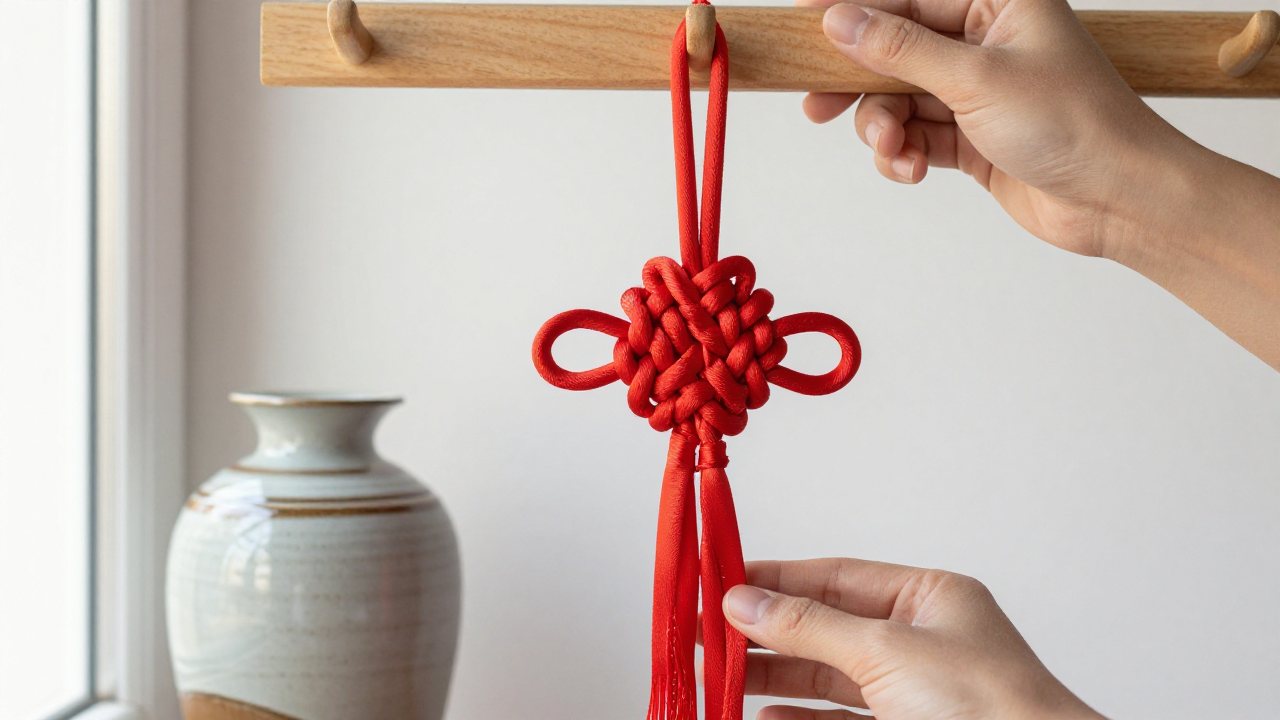
Color and material change the finished reading
Red cord is common in Chinese decorative knotting, but material, sheen, thickness, and surrounding colors all affect the finished object. A muted cord can emphasize construction, while a bright cord can emphasize celebration. That boundary preserves the useful cultural or practical information while making clear where independent evidence is still required.
Choose cord that holds the required turns without flattening or slipping. Testing a short sample reveals whether the material keeps a clean linked form after tightening. This distinction gives the reader a concrete field to verify before moving to the next part of the decision.
Color meaning is contextual rather than universal. Occasion, region, household preference, and the complete gift should guide the choice more than an isolated online color claim. Keeping the source and context visible prevents a convenient shorthand from becoming a broader unsupported claim.
Document the actual material when teaching or selling a finished piece. Clear descriptions help readers distinguish cultural meaning from practical properties such as durability and care. The check is repeatable because another reader can inspect the same object, record, or instruction rather than relying on a promise.
A decorative wish is not a guarantee
Chinese knotting can carry wishes for continuity, harmony, or good fortune through form and presentation. Those wishes are meaningful as expression, not as evidence that an outcome will occur. This distinction gives the reader a concrete field to verify before moving to the next part of the decision.
Avoid telling recipients that a specific knot will secure a relationship or change events. A respectful explanation names the form, the context, and the intended sentiment. Keeping the source and context visible prevents a convenient shorthand from becoming a broader unsupported claim.
For buying or making decisions, evaluate workmanship, material, size, colorfastness, and suitability for the intended object. These checks are observable and separate from symbolism. The check is repeatable because another reader can inspect the same object, record, or instruction rather than relying on a promise.
Keeping the limit clear protects the cultural explanation from exaggerated claims. The knot remains valuable as craft, design, and shared meaning without being turned into a prediction. That boundary preserves the useful cultural or practical information while making clear where independent evidence is still required.
For a finished-object record, photograph the knot from front and back, note cord material and diameter, measure the completed form, and identify every neighboring motif. Then write two separate descriptions: one for construction and one for intended symbolism. The construction note should be observable by another maker; the symbolism note should name the occasion, source, or giver’s intention. This separation solves several common problems. It prevents a seller’s poetic product name from being mistaken for the technical knot structure, and it prevents a cultural association from becoming a claim that the object will cause an event. It also helps with repair, because the cord path and joining role remain documented even if tassels or ornaments are later replaced. A double connection knot can thus be discussed accurately at three levels: how the cord links, what the knot does within the object, and what the complete object is meant to express. None of those levels needs an exaggerated promise to remain useful.
When cataloging several objects, keep the same observation order for each one: front structure, back structure, joining role, cord, neighboring motifs, stated occasion, and source. Consistent fields make real differences easier to see without forcing every piece into one symbolic definition. A maker's note, museum label, family explanation, or sales description can be quoted as attribution, while the physical observations remain separate. That small discipline preserves both cultural context and technical accuracy.
Reading a finished double connection knot
- Trace the linked cord paths
- Identify what the knot connects
- Read symbolism with neighboring motifs
- Check cord material and scale
- Keep wishes separate from guarantees
Double connection knot form and use FAQ
What makes a double connection knot distinct?
Its compact linked cord paths create a connection between parts of the decorative structure.
Where is it used?
It can connect tassels, medallions, loops, or sections within a larger hanging or accessory.
Can the form symbolize a relationship?
It may express connection or continuity when that meaning fits the object and occasion.
Does red cord change the knot structure?
No. Color changes presentation and context, while the cord path defines the structure.
Does the knot guarantee relationship luck?
No. It can express a wish but cannot guarantee an outcome.