 Chinese Knot Guide
Chinese Lucky Knot Meaning: Symbolism, Color, and Use
Chinese Lucky Knot Meaning: Symbolism, Color, and Use with practical checks, context, and clear limits.
Quick Answer: A Chinese lucky knot can carry good-wish symbolism through color, symmetry, and placement, but it does not guarantee luck. The meaning depends on the specific knot form and how it is used.
Lucky knot meaning facts
- Meaning form
- Primary context for chinese lucky knot.
- Color context
- Needs source or method clarity before use.
- Modern use
- Supports the reader task, not a guaranteed result.
- Gift symbolism
- Should be checked against the situation.
- Claim boundary
- Use as bounded cultural or practical context.
Identify which knot is being called lucky
Chinese lucky knot is a broad English label. Before reading the meaning, identify the actual knot form, such as a good-luck knot, button knot, double coin knot, or endless-style pattern.
Different forms can carry different associations because their shapes, uses, and placement differ. A wall hanging, charm, clothing button, and wedding favor should not all be explained as one object.
This page uses lucky knot as an entry point while keeping the symbolism qualified by knot type, color, and use.
Read the symbolism through shape and pairing
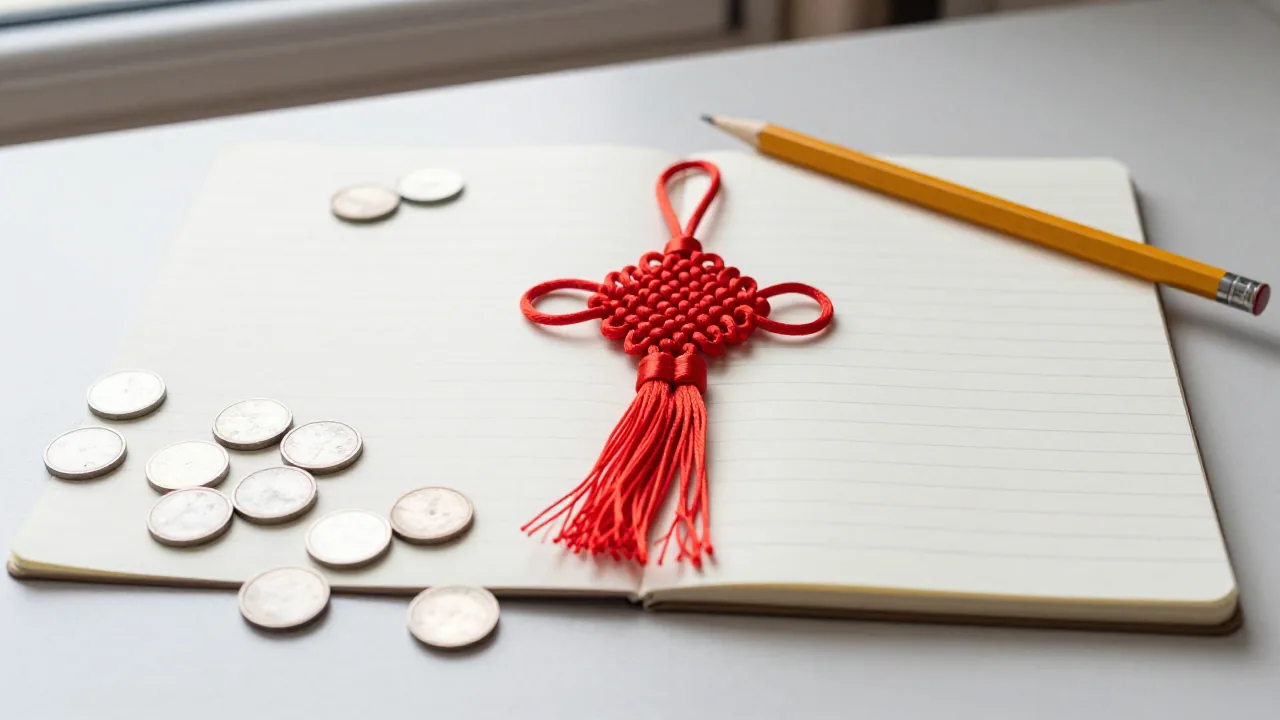
The visible shape is part of the meaning. Symmetry, paired loops, endless paths, and compact knots can suggest continuity, joining, protection, or blessing depending on the object.
A knot does not carry one fixed meaning in every household. The interpretation often comes from how the knot is made, gifted, displayed, or paired with other symbols.
For SEO and reader use, the safest explanation names the visual feature first and then gives the cultural association as context.
Use color as context, not a full explanation
Red is common in Chinese knot decorations because it is associated with celebration and auspicious wishes, but color alone does not identify the knot or prove its use.
Gold thread, tassels, beads, or charms can add a modern decorative layer. Those additions should be described as design choices unless a source ties them to a specific tradition.
When a reader sees a lucky knot online, they should check both the knot structure and the setting before assigning meaning.
Match the knot to its actual placement
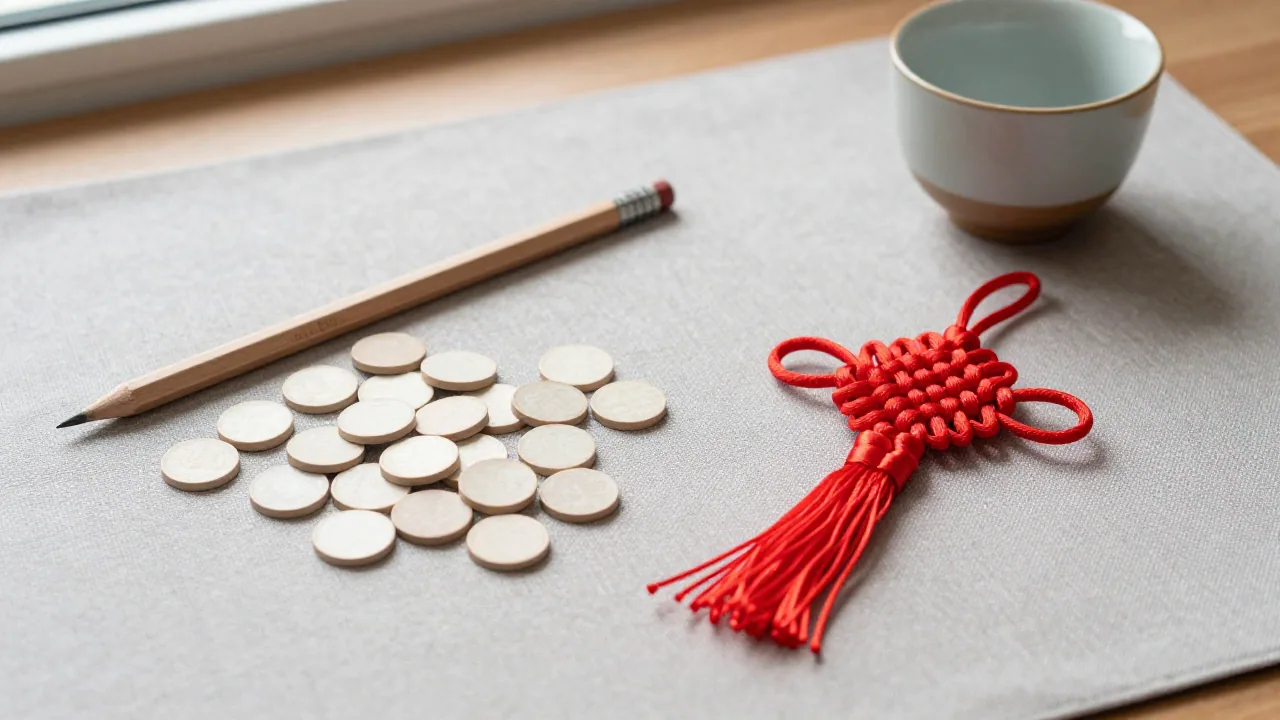
A lucky knot at an entryway, in a car, on a bag, or near a wedding table may signal a different practical intention. Placement tells the reader why the object is being used.
Avoid claiming that the knot guarantees wealth, safety, health, or relationship outcomes. It is a symbolic object, not a promise.
The best description says where the knot appears, what form it has, and what wish or decorative purpose it may express.
Choose a beginner-safe interpretation
For beginners, the safest path is to name the knot, note the color and placement, and then give a qualified meaning. That avoids turning every red knot into the same explanation.
If the exact knot form is unclear, say it is a Chinese knot-style charm or decoration rather than inventing a precise name.
A careful note keeps cultural symbolism useful while leaving room for regional, family, and maker-specific variation.

Chinese Lucky Knot Meaning reader checks
- the knot form before the wish
- color as context
- the knot by use case
- gift meaning from guarantee
- cord that supports the shape
Chinese Lucky Knot Meaning reader questions
Is every Chinese knot a lucky knot?
No. Some knots are decorative, practical, ceremonial, or symbolic in different ways, so the actual knot form matters.
Why are many lucky knots red?
Red is commonly associated with celebration and auspicious wishes, but color alone does not identify the knot or its full meaning.
Can a lucky knot guarantee good fortune?
No. It is a symbolic cultural object, not a guarantee of wealth, safety, health, or relationships.
What should I check before explaining a knot?
Check the knot shape, color, added charms, placement, occasion, and any source that names the form.
How should beginners describe an unknown knot?
Use a cautious description such as Chinese knot-style decoration until the exact knot form is verified.